Benefits Of Glutathione Injection What happens to your body when you start taking glutathione?
\nWhat Happens to Your Body When You Start Taking Glutathione? A Realistic 40s-50s Guide
\n\n\n\n \n
If you have hit your mid-forties or early fifties, you have likely noticed that your body doesn’t bounce back quite as fast as it used to. Mornings might feel a bit heavier, skin seems to hold onto sun spots longer, and that elusive "glow" requires a lot more effort to maintain. In the search for cellular support, more women are coming across a highly discussed molecule and asking: what happens to your body when you start taking glutathione?
\n \nThe sudden surge in interest around this specific compound isn’t accidental. As we navigate perimenopause and menopause, our natural defenses against oxidative stress begin to flag. Glutathione is frequently promoted as a silver bullet for everything from deep cellular detoxification to dramatic skin brightening. But what actually happens when you introduce an external source of this tripeptide into an aging biology? Is it truly absorbed, or does it simply pass through your system without effect? This consumer-focused review aims to cut through the wellness-blog noise, presenting the clinical realities, documented failures, and objective metrics of what happens to your body when you start taking glutathione.
\n\n \nWhat Is the Master Antioxidant and Who It Might Fit Best
\nGlutathione is a simple molecule composed of three amino acids: cysteine, glycine, and glutamic acid. It is produced naturally by your liver and is present in virtually every cell of the human body. Its primary job is neutralizing free radicals—unstable molecules that damage cellular components and accelerate the signs of aging. Think of it as your body’s internal cellular custodian.
\n \nHowever, production peaks in early adulthood and steadily declines by about 10% to 15% per decade thereafter. By the time a woman reaches 50, her natural baseline levels may be significantly depleted, a state compounded by environmental pollutants, alcohol, poor sleep, and shifting hormonal profiles. For those experiencing chronic sluggishness, uneven skin pigmentation, or slow physical recovery, supporting this specific pathway might seem like the logical next step.
\n \nThis supplement is not a universal necessity. It fits best for individuals under high oxidative load who have already optimized their basic nutrition. If your diet lacks protein precursors or if your liver is working overtime due to multiple prescriptions or regular alcohol consumption, your internal synthesis may need outside assistance. However, if you are expecting a sudden, radical transformation overnight, it is vital to adjust your expectations before spending your hard-earned money.
\n\n \nPractical Benefits and Where It Falls Short
\nWhen investigating the tangible impact of introducing this compound, the results are rarely uniform. Because individual metabolic health varies, the real-world outcomes split into distinct categories. Below are two detailed case studies representing the common spectrum of consumer experiences.
\n\n\n The Positive Consumer Experience: Laura, Age 49\n\n
\n "I started taking a high-quality liposomal liquid glutathione ($75 per bottle) after feeling persistently drained and noticing significant melasma across my cheeks post-summer. For the first 7 days, I noticed absolutely nothing except a mild, sulfur-like aftertaste. Around day 10, I realized my morning brain fog felt less oppressive. By week four, while my dark spots hadn’t magically vanished, my skin looked less sallow, and my recovery after my weekly tennis matches was visibly faster. It was a subtle, steady shift, not a dramatic transformation."\n
\n The Negative Consumer Experience: Sharon, Age 52\n\n
\n "Attracted by cheap online advertising, I purchased a standard, non-acetylated capsule form of glutathione for $22. I took the recommended 500mg daily dose on an empty stomach. Within three days, I experienced significant abdominal bloating, mild stomach cramps, and irregular digestion. After two weeks of stubborn persistence, my skin looked exactly the same, and my energy levels hadn\'t budged. A consultation with my functional doctor later revealed that the standard powder was mostly destroyed in my stomach, leaving my gut irritated and my wallet lighter."\n
These cases highlight the dual reality of supplementation. The compound can support cellular health and skin resilience, but its efficiency is entirely dependent on the delivery mechanism and individual digestive tolerance. Cheap formulations often result in localized gut irritability rather than systemic benefit.
\n\n \n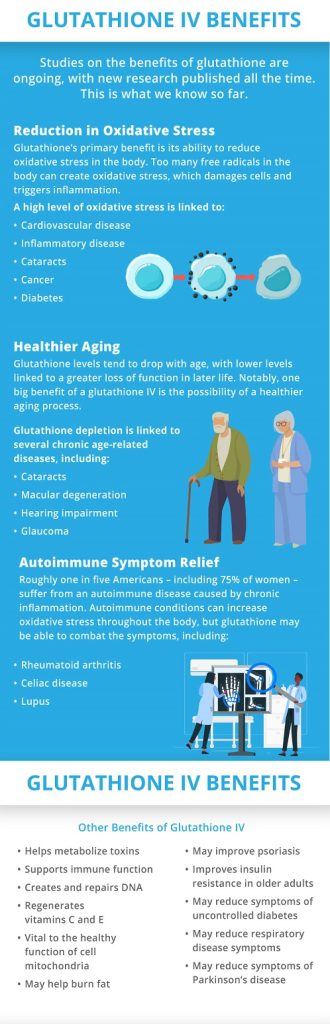 \n
\n What Research Suggests and What It Doesn\'t
\nThe scientific landscape surrounding oral glutathione is characterized by cautious optimism and critical limitations. Historically, the medical establishment dismissed oral supplementation completely, asserting that the stomach acid and an enzyme called gamma-glutamyltransferase rapidly dismantled the molecule before it could ever reach the bloodstream.
\n \nModern clinical trials have challenged this absolute view, but with strict caveats. A landmark randomized controlled trial published in the European Journal of Nutrition tracked oral administration over six months. The researchers found that a daily 1,000mg dose of high-grade glutathione did successfully elevate cellular stores by 30% to 35% in red blood cells and lymphocytes. However, the study noted that once supplementation ceased, tissue levels returned to baseline within one month. Furthermore, the low-dose group (250mg) showed minimal systemic changes, indicating that dosage and structure are paramount.
\n \nIt is crucial to understand what the science does not back up. There is zero clinical evidence proving that oral supplements act as a permanent cure for hyperpigmentation or chronic fatigue syndrome. Over-promising marketing materials often conflate the rapid, 100% bioavailability of clinical intravenous (IV) drips with standard over-the-counter oral capsules. Furthermore, excessive long-term intake without breaks carries theoretical risks, such as down-regulating your body\'s own natural ability to synthesize its own antioxidants, or inadvertently lowering zinc levels over extended periods.
\n\n \nIngredients, Formats, and Quality Signals
\nWhen analyzing what happens to your body when you start taking glutathione, the outcome hinges heavily on the specific form of the raw ingredient. If you ingest a standard, unshielded L-glutathione powder, it behaves like any other protein, getting broken down into its constituent amino acids in your stomach long before reaching your cells.
\n \nTo bypass this biological barrier, reputable manufacturers utilize specialized molecular designs:
\n- \n
- Liposomal Technology: Encapsulates the molecule within a sphere of phospholipids (fatty layers resembling cell membranes). This shields the active ingredient from harsh gastric juices and allows direct absorption through the intestinal wall. \n
- S-Acetyl-L-Glutathione: An attached acetyl group protects the molecule from breakdown in the gastrointestinal tract and allows it to pass through the cellular membrane efficiently, breaking down only once inside the cell where it is needed most. \n
Beyond the active molecule, look closely at the secondary ingredients. A high-quality formula often includes supportive co-factors like Selenium (which activates the glutathione peroxidase enzyme) or Vitamin C (which helps recycle oxidized glutathione back into its active, helpful state). Avoid products loaded with artificial colorants, titanium dioxide, or excessive synthetic fillers that add no biological value.
\n\n \n \n\n \nComparison of Common Options
\nNavigating the supplement aisle can be overwhelming due to price variance and conflicting label claims. The table below evaluates the five most common formats available to consumers today based on market averages and verified user feedback.
\n\n| Format | \nTypical Dose/Use | \nPros | \nCons | \nCost (Monthly) | \nBest For | \n
|---|---|---|---|---|---|
| Standard Oral Capsule | \n250mg - 500mg daily | \nInexpensive, shelf-stable, no taste issues. | \nExtremely low absorption rates; mostly wasted. | \n$20 - $35 | \nBudget consumers seeking basic amino acid support. | \n
| Liposomal Liquid | \n400mg - 500mg daily | \nExcellent bioavailability; skips primary digestion. | \nStrong sulfurous odor; must be refrigerated. | \n$60 - $90 | \nWomen prioritizing rapid systemic cellular absorption. | \n
| S-Acetyl Capsules | \n100mg - 300mg daily | \nHigh intracellular delivery; convenient pill form. | \nPremium pricing; harder to source reliably. | \n$55 - $80 | \nThose wanting high potency without the liquid taste. | \n
| Sublingual Tablets | \n100mg - 200mg daily | \nAbsorbs through mouth tissues directly to blood. | \nCan cause local inner-mouth irritation. | \n$40 - $60 | \nPeople with highly sensitive digestive tracts. | \n
| Precursor (NAC + Glycine) | \n600mg NAC / 500mg Glycine | \nTriggers natural internal liver production. | \nRelies on your body\'s ability to synthesize it. | \n$25 - $40 | \nLong-term baseline liver defense and cost efficiency. | \n
Buying Framework and Red Flags
\nThe supplement sector is largely self-regulated, meaning the burden of verification rests entirely on you, the buyer. To safeguard your health and your wallet, utilize this rigorous verification checklist before completing any purchase online or in-store.
\n \nThe Smart Buyer\'s Checklist:
\n- \n
- Third-Party Testing: Does the bottle display an NSF, USP, or ConsumerLab certification seal? Reputable brands readily provide a Certificate of Analysis (CoA) to verify purity. \n
- Clear Molecular Formats: Ensure the ingredient label explicitly specifies "Setria® Glutathione", "Liposomal Glutathione", or "S-Acetyl-L-Glutathione", rather than just generic, unshielded "L-glutathione". \n
- Clean Label Standards: Check the "Other Ingredients" section. It should be free from unnecessary binders, artificial colorings, and heavy chemical preservatives. \n
- Appropriate Packaging: Liquid liposomal options must be packaged in dark, UV-blocking glass bottles to prevent light-induced oxidation of the active lipids. \n
Industry Red Flags to Avoid:
\n- \n
- "Proprietary Blends": If a company groups the primary ingredient into a secret mix without disclosing the exact milligram weight of each component, keep walking. They are likely using cheap fillers. \n
- Outrageous Medical Claims: Avoid any brand that promises to completely erase wrinkles in 7 days, cure chronic autoimmune diseases, or replicate the results of clinical laser resurfacing treatments. \n
- Suspiciously Low Prices: Manufacturing stable liposomal matrices or acetylated compounds is a complex, high-cost chemical process. If a bottle costs under $25, it is highly likely it contains standard, unabsorbable powder. \n
 \n
\n Common Mistakes and How to Avoid Them
\nThe most widespread misstep consumers make is an inconsistent routine. Because cellular turnaround takes time, taking a pill every few days whenever you remember provides zero systemic impact. To see what happens to your body when you start taking glutathione, commit to a strict daily routine for at least 30 to 60 days.
\n \nAnother prevalent mistake is ignoring lifestyle foundations. Relying on an expensive antioxidant supplement to clear your skin or boost your morning energy while simultaneously maintaining a high-sugar diet, chronic sleep deprivation, and excessive alcohol consumption is a losing battle. The supplement will simply be consumed neutralizing the immediate toxins from your daily choices, leaving no surplus available to help brighten skin or support cellular rejuvenation.
\n \nLastly, timing matters. Many users take their dose alongside heavy meals or hot caffeinated beverages. For optimal performance, liposomal liquids or acetylated capsules should generally be taken on an empty stomach in the morning with a cool glass of water, allowing the compound to travel through the digestive system with minimal interference from food enzymes.
\n\n \nFrequently Asked Questions
\n \nIs it proven that glutathione works for everyone?
\nNo, it is absolutely not proven that oral supplementation works uniformly across all populations. Clinical studies demonstrate that while high-quality liposomal variations can reliably elevate cellular levels in clinical groups, the outward real-world results vary. Factors such as genetic variations in your specific detoxification pathways, your liver health, and your current level of systemic stress determine whether you will notice visual or physical benefits.
\nHow long does it take to see results from glutathione?
\nA realistic timeline for noticing any internal or visual changes is typically between 4 to 8 weeks of consistent daily usage. Subcellular shifts start happening within days as tissue stores accumulate, but outward signs like improved skin tone consistency or better physical energy metrics require an extended period to align with your natural cellular turnover cycles.
\nAre there side effects when you start taking glutathione?
\nWhile the compound is generally recognized as safe for most adults, some users do report mild, transient side effects. These most frequently include mild stomach cramping, abdominal bloating, loose stools, or nausea, particularly when taking high-dose unshielded powders on an empty stomach. If you have an underlying zinc deficiency, prolonged use without proper breaks can potentially deplete your zinc stores further.
\nCan it combine with other supplements safely?
\nYes, it is routinely combined with complementary antioxidants to maximize its efficiency. Pairing it alongside a standard dose of Vitamin C is highly beneficial, as Vitamin C acts as an electron donor that converts spent, oxidized glutathione back into its active form. It also pairs effectively with Alpha-Lipoic Acid (ALA) and CoQ10. However, always consult your physician if you are currently taking prescription chemotherapeutic drugs or regular immunosuppressants.
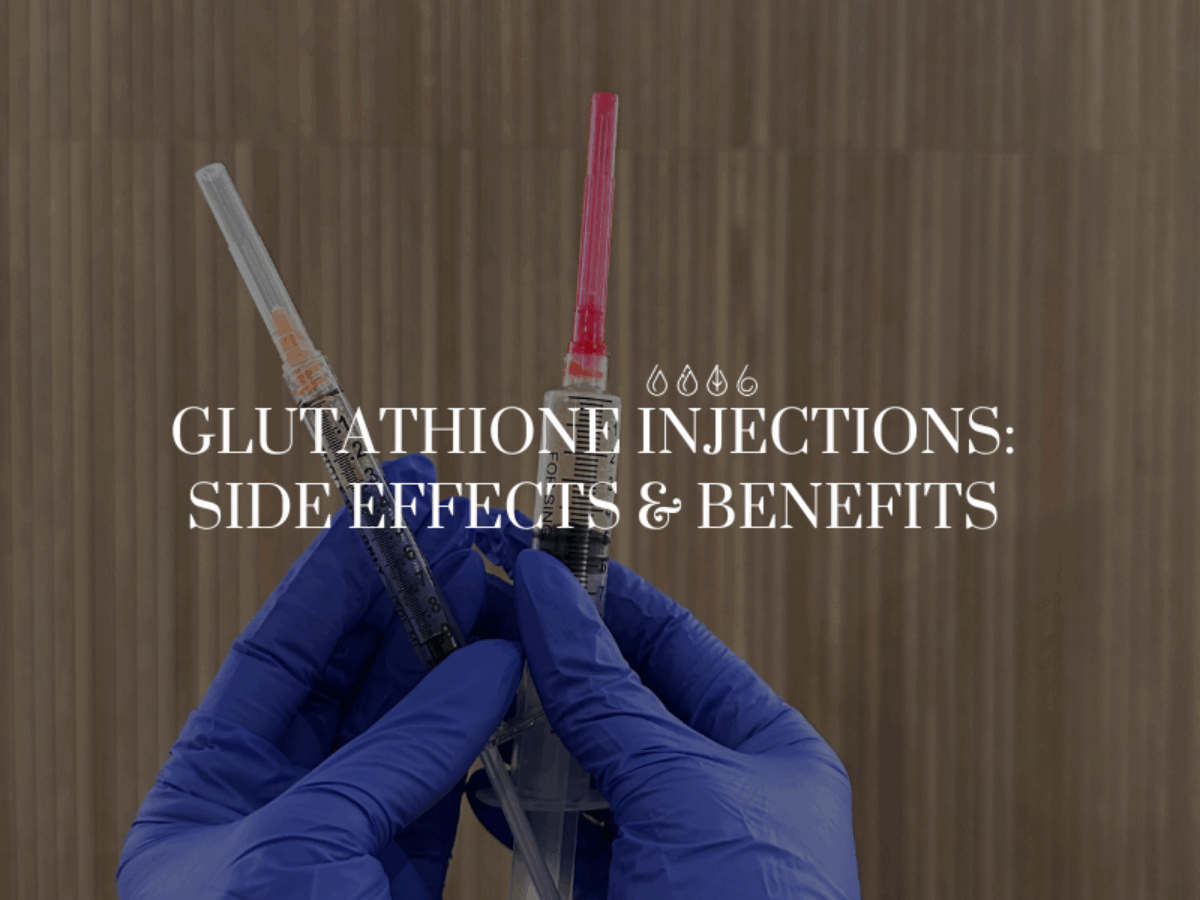
\nWhat is the difference between oral vs injection/alternative delivery?
\nThe primary difference lies in the concept of bioavailability. Intravenous (IV) injections deliver the compound directly into your bloodstream, achieving 100% absorption instantly, but they require clinical visits and carry higher costs and infection risks. Standard oral capsules must brave the destructive enzymes of your stomach acid, resulting in poor cellular uptake. Advanced liposomal oral liquids and acetylated tablets offer a practical, middle-ground alternative, providing improved absorption rates at home without the needles.
\nA Practical 2-Week Experiment Framework
\nIf you choose to test what happens to your body when you start taking glutathione, doing so without a clear structure makes it impossible to evaluate your results fairly. Below is a simple, practical monitoring protocol designed to help you track your body\'s response safely and objectively during a short initial trial.
\n \nStep 1: Document Baseline Metrics (Day 0)
\n Before taking your first dose, take a clear photo of your face in neutral, indirect morning light with no makeup. On a simple scale of 1 to 10, write down your average waking energy level and your muscle recovery rate after physical exercise over the past two weeks.
Step 2: Establish the Intake Routine (Days 1–7)
\n Measure out a standard dose of a high-bioavailability format (such as 400mg of a verified liposomal liquid or 200mg of an S-Acetyl capsule). Take it consistently every morning with a glass of cool water at least 20 minutes before consuming food or coffee. Watch closely for signs of digestive upset, gas, or mild nausea. If your stomach complains, try taking it with a small, low-fat snack instead.
Step 3: Mid-Point Assessment (Day 8)
\n Check in with your digestive health. If you are experiencing persistent bloating or cramps, stop the trial—the delivery format or ingredient purity isn\'t a good match for your gut. If your digestion feels perfectly normal, continue the morning routine for the second week.
Step 4: Final Evaluation (Day 14)
\n Take a follow-up photo in the exact same morning lighting conditions as Day 0. Re-evaluate your waking energy and muscle soreness scores on your 1-to-10 scale. Do not expect dramatic shifts in just two weeks; look for subtle improvements, such as needing less coffee to get going or noticing less overall skin dullness.
About the Author
\nElena Vance is a veteran wellness researcher and independent supplement analyst with over 12 years of experience evaluating nutritional science, bio-delivery systems, and consumer health products. She specializes in separating evidence-based metabolic reality from aggressive wellness marketing trends, focusing primarily on health transitions for women in midlife.
\n \n\n Medical Disclaimer: The information provided in this review is intended purely for educational and informational purposes. It does not constitute formal medical advice, diagnosis, or treatment. It is not intended to replace professional care from a qualified physician. Always consult your primary healthcare provider or gynecologist before introducing any new supplement into your daily wellness routine, especially if you have pre-existing medical conditions or are taking prescription medications.\n
\n\n
Discussion