What Does Glutathione Do For Your Body 5 Glutathione Benefits for Your Health
\n5 Glutathione Benefits for Your Health: A Realistic Men\'s Review
\n\n\n\n
If you are a man between the ages of 35 and 44, you have likely noticed that your body doesn\'t bounce back the way it used to. Late nights at the office leave you foggy the next morning, workouts require longer recovery periods, and that moderate weekend indulgence feels significantly heavier on your system. It is during this phase of life that many men start looking past standard multivitamins and diving into cellular health solutions. This is precisely why the search for the 5 glutathione benefits for your health has surged among guys looking to maintain their edge.
\n\nWhen you look up cellular recovery, glutathione constantly pops up. The wellness market frequently markets it as a "master antioxidant" or a "miracle detoxifier." However, as consumers, we have been burned by supplement hype before. This article is an objective, practical look at what glutathione actually does, how it performs in real-world scenarios, and what delivery methods are actually worth your hard-earned money.
\n\n\n\n
What Is This Master Antioxidant and Who It Might Fit Best
\nGlutathione is a tripeptide molecule composed of three essential amino acids: cysteine, glycine, and glutamic acid. It is produced naturally by your liver and exists in almost every cell of the human body. Its primary biological function is to neutralize free radicals, support liver detoxification pathways, and assist in cellular repair. Think of it as your body\'s internal maintenance crew, sweeping up oxidative waste generated by stress, poor diet, alcohol, and natural aging.
\n\nThe catch is that your natural production of glutathione starts to decline as you age. By the time you hit your late 30s or early 40s, factors like chronic work stress, lack of sleep, environmental toxins, and occasional social drinking can deplete your baseline stores faster than your body can replenish them.
\n\nWho is this molecule best suited for? In our experience, it isn\'t for the 21-year-old gym-goer who recovers in his sleep. Instead, it fits best for:
\n- \n
- Men over 35 experiencing unexplained afternoon fatigue or prolonged brain fog. \n
- Individuals looking to support their liver function due to regular travel, high-stress Lifestyles, or occasional alcohol consumption. \n
- Fitness enthusiasts struggling with delayed onset muscle soreness (DOMS) and prolonged exercise recovery times. \n
- Anyone dealing with high environmental stress or working long hours under artificial lighting and high mental pressure. \n
\n\n
Practical Benefits and Where It Falls Short
\nWhen looking closely at the 5 glutathione benefits for your health, it is crucial to separate validated physiological support from marketing exaggeration. Based on clinical literature and real-world usage, here are the five main areas where this molecule offers legitimate value:
\n\n- \n
- Reduction of Oxidative Stress: It directly neutralizes reactive oxygen species (ROS), protecting cellular components and DNA from damage. \n
- Liver Detoxification Support: Glutathione binds to lipid-soluble toxins and heavy metals in the liver, converting them into water-soluble compounds that can be safely excreted. \n
- Enhanced Cellular Energy: By protecting mitochondria (the powerhouses of your cells) from oxidative decay, it supports sustainable, non-stimulant energy levels. \n
- Skin Health and Melanin Regulation: It helps balance skin tone and counteracts the visible signs of accelerated aging caused by sun exposure and pollution. \n
- Immune Function Optimization: It plays a critical role in the proliferation and proper functioning of lymphocytes (white blood cells) that fight off seasonal ailments. \n
Despite these clear mechanisms, glutathione is far from perfect. The primary drawback is its notoriously poor oral bioavailability. Standard, cheap glutathione capsules are quickly broken down by the enzymes in your stomach and digestive tract, meaning only a tiny fraction of the active compound ever reaches your bloodstream.
\n\nA Positive Consumer Case Study
\n\n\n\nCase Study: Mark, Age 41 (Project Manager)
\n
\n Mark felt a persistent "3 PM crash" every workday and struggled to recover after his thrice-weekly weight training sessions. After researching options, he skipped standard oral pills and opted for a high-quality, targeted 500mg liposomal glutathione liquid for 30 days.
\n The Result: By week three, Mark noticed a subtle but consistent improvement in mental clarity during afternoon meetings. His muscle soreness after workouts decreased from a typical 48-hour window down to roughly 24 hours. He reported no stomach upset, and his sleep quality metrics on his fitness tracker showed an increase in deep sleep phases.
A Negative Consumer Case Study
\n\n\n\nCase Study: Dave, Age 38 (Sales Executive)
\n
\n Dave purchased a cheap, non-branded 1000mg standard oral glutathione capsule from a discount online store, hoping it would act as a quick hangover cure and skin brightener.
\n The Result: After two weeks of daily use, Dave experienced persistent mild bloating, stomach cramps, and absolutely zero changes in his energy levels or skin tone. Because he bought an unbuffered, low-bioavailability formula, the vast majority of the compound was wasted in his digestive tract, causing GI distress without providing any systemic benefits.

\n\n
What Research Suggests and What It Doesn\'t
\nWhen assessing a supplement, we must ground our expectations in science. Clinical studies published in journals such as the European Journal of Nutrition demonstrate that oral supplementation with specialized liposomal glutathione can significantly increase body stores of the molecule and biomarkers of immune function. Furthermore, intravenous (IV) administration has long been utilized in clinical settings to mitigate oxidative stress and support liver health during acute challenges.
\n\nHowever, it is equally important to address what the research does not say. Glutathione is not a medical cure for chronic diseases, liver cirrhosis, or systemic illnesses. It is a supportive dietary intervention designed to help optimize cellular homeostasis.
\n\nFurthermore, taking excessively high doses without clinical supervision carries notable risks. Prolonged over-supplementation can potentially down-regulate your body\'s natural, endogenous production of glutathione. There are also sparse reports of mild zinc depletion with long-term, high-dose usage, as glutathione pathways utilize specific minerals for synthesis and transport. Always view this as a tool for optimization, not a quick fix for a poor lifestyle.
\n\n\n\n
Ingredients, Formats, and Quality Signals
\nIf you decide to try glutathione, navigating the product market requires an analytical eye. The format you choose dictates the actual efficacy you will experience.
\n\nCommon Product Formats
\n- \n
- Standard Oral Capsules (Reduced Glutathione): The most common but least effective format due to heavy degradation during digestion. Often inexpensive but delivers poor value per milligram absorbed. \n
- Liposomal Glutathione: The gold standard for home use. The glutathione molecule is encapsulated inside a lipid bilayer (similar to cell membranes). This allows it to bypass harsh stomach acids and absorb directly through the intestinal wall. \n
- Sublingual Tablets/Sprays: Designed to dissolve directly under the tongue, bypassing the digestive system entirely via the sublingual mucosa. Highly efficient for rapid absorption. \n
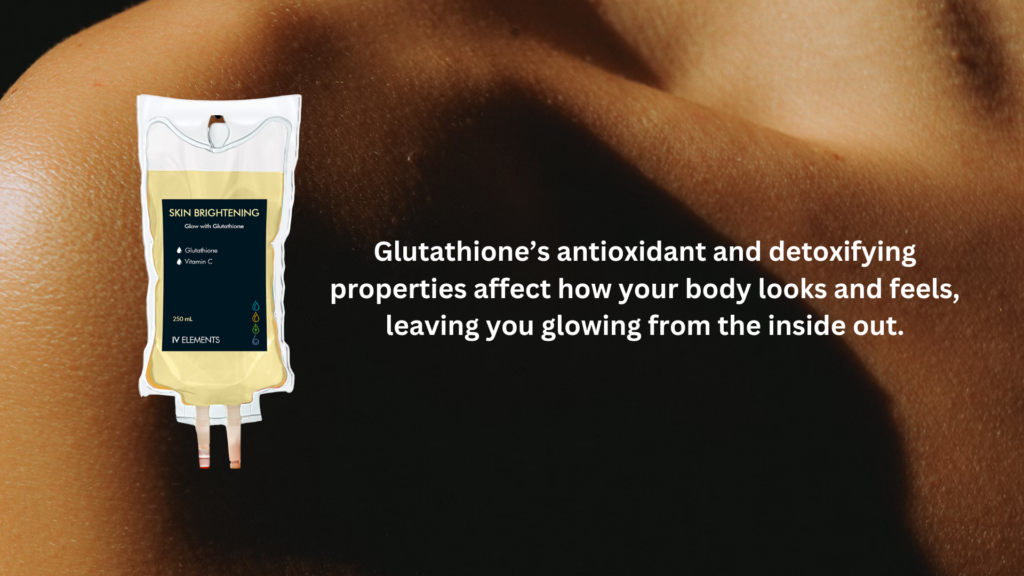
- Intravenous (IV) Therapy Drips: The most direct route. Administered by a licensed healthcare professional, an IV drip bypasses the digestive tract completely, achieving 100% bioavailability instantly. This is often favored by professionals seeking rapid recovery or intense antioxidant support. \n
Co-Factors and Quality Standards
\nA high-quality glutathione supplement rarely stands alone. Look for formulas that include synergistic co-factors. Vitamin C is critical because it helps recycle oxidized glutathione back into its active, reduced state within your cells. Ingredients like Alpha-Lipoic Acid (ALA), Selenium, and N-Acetyl Cysteine (NAC) are also excellent, as they provide the building blocks and enzymatic support your body needs to manufacture its own internal supply.
\n\nIn terms of quality signals, never buy from unverified brands. Look for products that clearly state they are manufactured in a cGMP-compliant (Current Good Manufacturing Practice) facility. Third-party testing seals from independent labs like NSF, USP, or ConsumerLab are essential to ensure that what is written on the label is exactly what is inside the bottle, without heavy metal contamination or fillers.
\n\n\n\n
Comparison of Common Options
\nTo give you a clear bird\'s-eye view of how different glutathione products stack up, we have compiled a comparison matrix based on average market pricing, performance, and user convenience in 2026.
\n\n| Format | \nTypical Dose/Use | \nPros | \nCons | \nCost Range | \nBest For | \n
|---|---|---|---|---|---|
| Standard Oral Capsules | \n250mg - 500mg daily | \nInexpensive; widely available; convenient. | \nExtremely low absorption; potential GI gas/bloating. | \n$20 - $35 per month | \nBudget-conscious users seeking mild, baseline support. | \n
| Liposomal Liquid/Capsules | \n400mg - 600mg daily | \nHigh cellular absorption; protects stomach lining. | \nLiquid forms often have a distinct sulfur smell/taste. | \n$50 - $90 per month | \nDaily home optimization, brain fog, and muscle recovery. | \n
| Sublingual Tablets | \n100mg - 200mg daily | \nFast absorption; avoids stomach digestion entirely. | \nSlightly limited dosing sizes per tablet. | \n$40 - $70 per month | \nOn-the-go professionals needing quick mental clarity. | \n
| Intravenous (IV) Drips | \n600mg - 2000mg per session | \n100% bioavailability; immediate systemic uptake; customized formulas. | \nRequires clinical visit; invasive; expensive. | \n$150 - $300 per session | \nRapid recovery, intensive detox support, or bi-weekly resets. | \n
| N-Acetyl Cysteine (NAC) | \n600mg - 1200mg daily | \nAffordable; directly stimulates your body\'s own production. | \nIndirect method; depends entirely on your liver\'s synthesis capacity. | \n$15 - $30 per month | \nLong-term maintenance and cost-effective preventative care. | \n
\n\n
Buying Framework and Red Flags
\nWhen you are ready to make a purchase, do not let flashy Instagram ads or generic Amazon listings dictate your choice. Use this checklist to screen potential products:
\n\n- \n
- Check for Form Type: Does the label explicitly say "Liposomal," "Setria®" (a clinically studied reduced form), or "Sublingual"? If it just says "Glutathione," assume it is standard oral with low bioavailability. \n
- Inspect the Scent: Genuine glutathione naturally contains sulfur. A high-quality liquid liposomal formula should have a distinct, slightly pungent sulfur smell. If a liquid or powder product smells like sweet berries with zero underlying musk, it may be under-dosed or synthetic. \n
- Look for Third-Party Testing: Ensure there is a batch number and a verifiable Certificate of Analysis (CoA) available upon request. \n
- Evaluate the Ingredient List: Avoid products packed with magnesium stearate, silicon dioxide, artificial colorings (like Titanium Dioxide), or heavy artificial sweeteners. \n
Industry Red Flags to Avoid
\n\n\n\nWarning Red Flag #1: "The 10,000mg Maximum Strength Illusion"
\n
\n If you see an affordable bottle of oral capsules claiming to deliver 5,000mg or 10,000mg of glutathione per serving, be incredibly wary. Legitimate, concentrated liposomal formulas rarely exceed 500mg to 750mg per serving because of the physical space required to encapsulate the molecules in lipids. These ultra-high numbers are typically marketing tricks involving proprietary blends full of cheap precursor amino acids, not actual active glutathione.
\n\n\nWarning Red Flag #2: Outrageous Medical Claims
\n
\n Any brand claiming their supplement will "cure fatty liver disease," "reverse permanent aging," or "eradicate chronic fatigue syndrome" should be dropped immediately. Ethical companies stick to structure-function claims focused on metabolic support, antioxidant protection, and healthy cellular recovery.
\n\n
Common Mistakes and How to Avoid Them
\nThe most common mistake men make when exploring the 5 glutathione benefits for your health is ignoring their overall lifestyle foundation. Supplementing with high-end liposomal glutathione while maintaining a poor diet, getting four hours of sleep, and consuming heavy alcohol is a waste of money. Think of glutathione as a fine-tuning mechanism; it amplifies the benefits of a solid health foundation, but it cannot fix chronic lifestyle damage.
\n\nAnother error is improper timing. For oral or liposomal formats, taking it on a full stomach can significantly hinder absorption rates. For best results, take your dose first thing in the morning on an empty stomach, at least 20 to 30 minutes before eating breakfast or drinking coffee. This gives the lipid spheres an uninterrupted window to pass through your intestinal wall cleanly.
\n\n\n\n
Frequently Asked Questions
\n\nIs it proven that glutathione can reduce chronic oxidative stress?
\nYes, cellular biology extensively proves that glutathione is a primary endogenous antioxidant. It directly interacts with harmful free radicals to stabilize them. However, whether a specific over-the-counter retail product achieves this depends entirely on its delivery format and absorption rate. Standard oral pills have poor clinical evidence for reducing systemic oxidative stress, whereas liposomal formats and professional IV therapies demonstrate measurable increases in blood concentrations and cellular antioxidant capacity.
\n\nHow long does it take for glutathione supplements to show visible results?
\nExpectations must be realistic. If you are utilizing a highly bioavailable format like a liposomal liquid or a clinical IV drip, subtle changes in mental focus, day-to-day energy, and post-workout muscle recovery can often be felt within 10 to 14 days of consistent daily use. For skin tone balance or deeply rooted liver support, it typically requires 8 to 12 weeks of sustained, daily compliance alongside proper nutritional tracking.
\n\nAre there any notable glutathione side effects I should watch out for?
\nWhen used responsibly within standard dosages (250mg to 600mg daily), side effects are rare. Some consumers taking low-grade oral capsules report mild digestive discomfort, including abdominal gas, bloating, or loose stools. Long-term, continuous usage over several months without breaks could theoretically impact natural zinc levels or slightly depress your body\'s native antioxidant synthesis. Taking a 1-week break every two months is a common strategy to mitigate this risk.
\n\nCan it combine with other daily longevity supplements safely?
\nIn most instances, yes. Combining glutathione with Vitamin C, CoQ10, or Alpha-Lipoic Acid creates a powerful, supportive antioxidant network. However, if you are currently taking prescription medications—particularly chemotherapeutic agents or drugs that heavily alter liver enzymes—you must consult your doctor. Because glutathione enhances liver clearance pathways, it could potentially accelerate how quickly your body processes certain prescription medications, reducing their intended therapeutic levels.
\n\nWhich option is better: oral vs injection/alternative delivery methods?
\nIf you are looking for pure efficacy and rapid cellular saturation, alternative delivery methods like liposomal liquids, sublingual variations, or professional intravenous (IV) infusions are vastly superior to standard oral pills. Standard oral capsules lose up to 80-90% of their potency due to enzymatic breakdown in the stomach. Liposomal options offer an excellent balance of high home absorption and reasonable cost, while professional IV infusions provide immediate, 100% biological availability for fast recovery.
\n\n\n\n
A Practical 2-Week Experiment Framework
\nIf you are intrigued by the potential of optimizing your cellular health, don\'t commit blindly to a 6-month supply. Run a structured, low-risk 2-week trial to see how your individual physiology reacts.
\n\n- \n
- Day 1 to Day 3 (The Baseline Phase): Purchase a high-quality, third-party tested liposomal glutathione liquid or capsule formula. Establish your schedule: take 400mg to 500mg every morning exactly 25 minutes before your first meal. Keep a simple note on your phone tracking your baseline afternoon fatigue on a scale of 1 to 10. \n
- Day 4 to Day 7 (The Evaluation Phase): Maintain the exact same timing. Pay close attention to your recovery times after workouts or demanding physical labor. Note whether you experience any mild stomach gas or bloating. If any digestive irritation occurs, drop the dose by half. \n
- Day 8 to Day 14 (The Optimization Check): By this stage, blood concentrations should be stabilized. Watch for subtle shifts: Is your morning brain fog lifting slightly quicker? Do you feel less reliant on a third cup of coffee at 3 PM? \n
At the end of the 14 days, review your daily tracking. If you notice a tangible improvement in performance and recovery without any negative side effects, you have found a valuable tool for your ongoing wellness toolset.
\n\n\n\n
About the Author
\nReviewer Identity: Marcus Vance, Senior Health Product Analyst at BioHack Review Labs.
\nMarcus holds a background in human physiology and has spent over nine years independently testing consumer wellness technologies, specialized supplements, and recovery protocols tailored for men experiencing mid-life metabolic changes. He operates with an analytical, evidence-based approach, prioritizing label transparency and bio-delivery metrics over marketing trends.
\n\nEditorial & Medical Disclaimer: The content provided in this article is strictly for informational, educational, and consumer review purposes. It does not constitute medical advice, diagnosis, or treatment. The statements regarding the 5 glutathione benefits for your health have not been evaluated by the Food and Drug Administration (FDA). Dietary supplements are not intended to diagnose, treat, cure, or prevent any medical condition or disease. Always consult with a qualified physician or healthcare professional before modifying your daily supplement regimen, especially if you have pre-existing medical conditions or are taking prescription medications.
\n
Discussion