Tri Fortify Liposomal Glutathione What are the bad side effects of liposomal glutathione?
\nWhat Are the Bad Side Effects of Liposomal Glutathione? A Real-World Review for Women 55+
\n\nIf you have been browsing wellness forums, longevity blogs, or functional medicine articles lately, you have likely run across the term "master antioxidant." For women over the age of 55, maintaining cellular health, skin elasticity, and systemic energy becomes a primary focus. As a result, dietary supplements that promise high bioavailability—like liposomal glutathione—have soared in popularity. However, as smart consumers, we have to look past the marketing glitter. When a supplement claims to bypass normal digestive barriers to deliver higher doses directly to your cells, a crucial question arises: What are the bad side effects of liposomal glutathione?
\n\nMany online articles gloss over the downsides, painting a picture of a flawless anti-aging miracle. But the reality of high-bioavailability supplementation is rarely entirely free of friction. When you change how a substance enters the metabolic pathway, you also alter how the body reacts to it. For women navigating post-menopausal health changes, understanding these potential adverse reactions isn\'t just about avoiding a stomach ache; it\'s about protecting long-term metabolic, respiratory, and micronutrient balance. This review takes an objective, grounded look at what happens when this powerful antioxidant doesn\'t agree with your system.
\n\n\n\n
What Is Liposomal Glutathione and Who It Might Fit Best
\n\nTo understand the side effects, we first need to look at the delivery mechanism. Glutathione is a tripeptide composed of three amino acids: cysteine, glutamic acid, and glycine. It is produced naturally by our livers, but production steadily drops as we age. Standard oral glutathione capsules are notorious for poor absorption because the enzymes in our stomach and intestines break down the peptide bonds before it ever reaches systemic circulation.
\n\nEnter the liposomal delivery system. This technology wraps the glutathione molecule in a sphere of phospholipids (usually derived from sunflower or soy lecithin). This lipid barrier protects the antioxidant through the acidic environment of the stomach, allowing it to fuse with the lipid bilayers of cells in the small intestine for enhanced absorption.
\n\nWho is this advanced format ideally suited for? Typically, individuals experiencing significant oxidative stress, those looking to assist their liver’s natural detoxification pathways, or mature adults noticing a dip in skin brightness and cognitive clarity might consider it. However, because it enters the bloodstream far more efficiently than traditional pills, the physiological impact is amplified. If your system is sensitive, or if you have hidden intolerances to the lipid sources used, this high-efficiency delivery can trigger unexpected internal pushback.
\n\n\n\n
Practical Benefits and Where It Falls Short
\n\nWhen liposomal glutathione works as intended, users frequently note an improvement in overall vitality, a reduction in the dullness of aging skin, and quicker recovery from physical fatigue. Because it bypasses the typical digestive degradation, a smaller dose can theoretically achieve similar systemic levels as a massive dose of standard oral powder. However, the exact degree of these benefits varies wildly from person to person, and the format is far from perfect.
\n\nWhere it heavily falls short is in its palatability, cost, and gastrointestinal tolerance. Because glutathione is inherently rich in sulfur, it possesses a distinct, often off-putting odor and taste akin to overcooked eggs. Liposomal liquids frequently require heavy natural flavorings to mask this, which can cause their own digestive issues. Furthermore, the rapid influx of phospholipids and active peptides can overwhelm a sensitive digestive tract.
\n\n\n\n\nA Positive Case Study: Marianne, a 58-year-old retired schoolteacher from Ohio, incorporated a liquid liposomal glutathione product ($75 per bottle) into her morning routine. Over a period of six weeks, she noticed a subtle but welcome reduction in the morning stiffness of her hands and a clearer complexion. She tolerated the formula well by taking it alongside a small bite of food, despite the strong sulfur aftertaste.
\n
\n\n\nA Negative Case Study: Contrast this with Eleanor, a 62-year-old avid walker from Oregon. Eager to address age spots, she began a high-dose liposomal gel protocol (450 mg daily). Within three days, Eleanor experienced severe, painful abdominal bloating and persistent flatulence that disrupted her daily walks. By day five, a localized skin rash developed across her neck. Her symptoms cleared entirely within 48 hours of stopping the supplement, suggesting her system could not process the rapid lipid load or the specific sulfur compound concentration.
\n
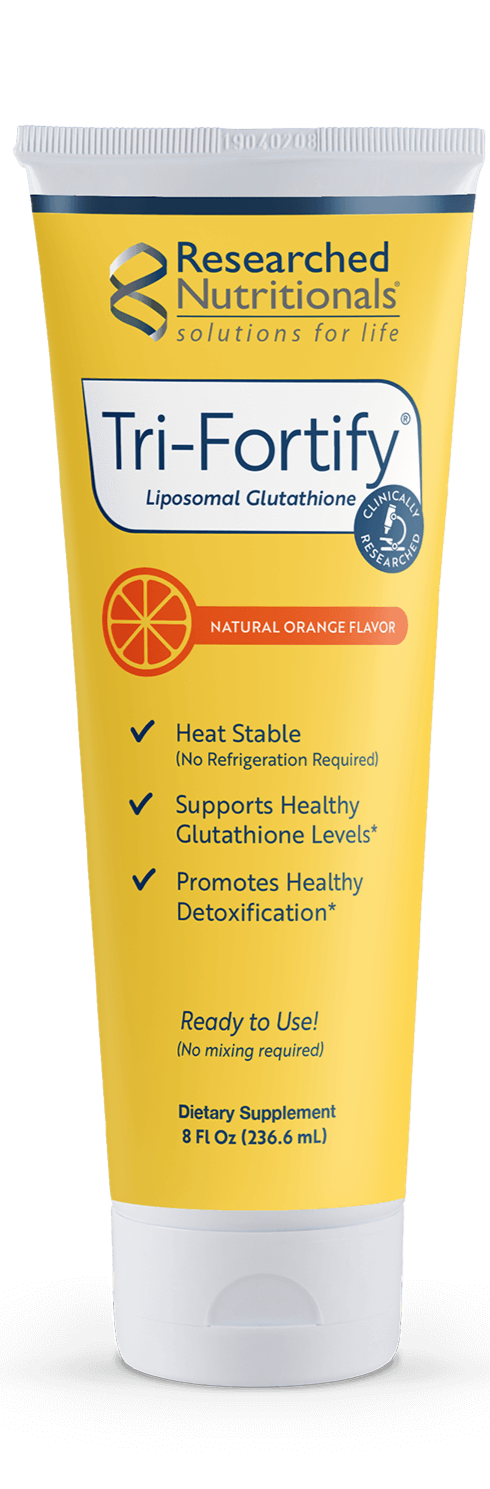 \n
\n\n\n
What Research Suggests and What It Doesn\'t
\n\nWhen diving into the clinical literature, it is essential to separate what has been observed in a lab from what actually happens in a human body. Clinical studies do confirm that liposomal encasing significantly elevates blood and cellular concentrations of glutathione compared to non-liposomal variants. However, these studies are often small, short-term, or funded by supplement manufacturers.
\n\nThe research surrounding the downsides reveals a few specific, non-negotiable points of caution:
\n- \n
- Zinc Depletion: Prolonged, unchecked use of high-dose glutathione has been linked in some metabolic observations to a decline in systemic zinc levels. Zinc is vital for immune function and skin health—ironically, the very things many 55+ women are trying to improve. \n
- Respiratory Risks: For individuals with asthma, inhaled or highly bioavailable glutathione can sometimes trigger bronchospasms due to the sulfur compounds. While this is most common with nebulized options, highly sensitive oral users have occasionally reported a mild tightness in the chest. \n
- Digestive Irritation: Clinical trials regularly note mild to moderate gastrointestinal distress, including cramping and loose stools, as the most frequent reasons participants drop out of studies. \n
What the research does not prove is that liposomal glutathione can cure chronic illnesses, reverse the biological aging process entirely, or act as a substitute for a balanced diet and proper medical care. The science suggests it is a supportive tool, not a standalone medical intervention.
\n\n\n\n
Ingredients, Formats, and Quality Signals
\n\nIf you decide to try liposomal glutathione, navigating the ingredient label is your best defense against adverse effects. These supplements generally come in three formats: liquids (dispensed via a pump or spoon), softgel capsules, and squeezable gels.
\n\nWhen reading the label, look closely at the Liposomal Blend. It should ideally specify purified phosphatidylcholine derived from non-GMO sunflower lecithin. Avoid formulas that rely heavily on low-grade soy lecithin if you have known allergen sensitivities. Watch out for artificial sweeteners like sucralose or sugar alcohols (xylitol, erythritol) added to mask the sulfur flavor; these are notorious for causing the exact bloating and gas that many mistake for the bad side effects of liposomal glutathione itself.
\n\nQuality signals are paramount. Because the supplement industry is not strictly regulated by the FDA before products hit the shelves, look for independent, third-party testing certifications. Look for logos from NSF International, USP (United States Pharmacopeia), or ConsumerLab. A certificate of analysis (CoA) ensures that the product actually contains the stated milligrams of glutathione and is free from heavy metal contamination, which can independently trigger nausea and headaches.
\n\n\n\n\n\n
Comparison of Common Options
\n\nTo give you a clearer picture of what is available on the market, the table below breaks down the primary formats of glutathione, their typical costs, and how their specific downsides stack up against each other.
\n\n| Format | \nTypical Dose / Use | \nPros | \nCons | \nCost | \nBest For | \n
|---|---|---|---|---|---|
| Liposomal Liquid | \n250mg - 500mg daily on empty stomach | \nHighest absorption flexibility; easy to adjust dosage. | \nStrong sulfur taste; short shelf-life once opened; requires refrigeration. | \n$60 - $90 per month | \nUsers comfortable with strong tastes looking for rapid absorption. | \n
| Liposomal Softgels | \n150mg - 300mg daily with water | \nNo taste or odor; shelf-stable; convenient for travel. | \nSlightly slower release; capsule shell ingredients may cause sensitivity. | \n$45 - $70 per month | \nSeniors who cannot tolerate the sulfur taste of liquids. | \n
| Standard Oral Capsules | \n500mg daily | \nVery affordable; widely available; long shelf-life. | \nExtremely poor absorption; mostly broken down by the liver/gut. | \n$20 - $35 per month | \nBudget-conscious buyers looking for basic amino acid support. | \n
| Squeezable Gels | \n400mg - 500mg per sachet | \nPre-measured doses; often highly stable active formulas. | \nFrequently contain intense flavorings/sweeteners; high plastic waste. | \n$75 - $100 per month | \nActive individuals looking for grab-and-go convenience. | \n
| Glutathione Precursors (NAC) | \n600mg - 1200mg daily | \nEncourages the body to make its own glutathione naturally; highly researched. | \nCan cause mild nausea; relies entirely on your liver\'s conversion capacity. | \n$15 - $30 per month | \nThose looking for a proven, affordable indirect approach. | \n
\n\n
Buying Framework and Red Flags
\n\nWhen selecting a supplement to minimize your risk of side effects, it helps to approach the store shelf with a structured screening process. Use the checklist below to evaluate any prospective product before handing over your credit card.
\n\nThe Smart Consumer’s Selection Checklist
\n- \n
- [ ] Verify the Liposomal Claim: Ensure the label specifies "Liposomal Technology" or "Liposomal Blend," rather than just listing glutathione and lecithin separately as loose ingredients. \n
- [ ] Check for Third-Party Seals: Look for verifiable NSF, USP, or independent lab testing marks on the bottle. \n
- [ ] Scan for Additives: Ensure there are no artificial dyes, high-fructose corn syrup, or sugar alcohols that might irritate your stomach. \n
- [ ] Confirm Storage Instructions: True liquid liposomes are sensitive to heat. If a liquid brand doesn\'t mention needing refrigeration after opening, its structural stability may be compromised. \n
- [ ] Examine Expiration Dates: Liposomal bonds degrade over time. Never buy a bottle that is within 3 months of its expiration date. \n
Red Flags to Watch Out For
\nBe extremely wary of any brand that claims "100% absorption guarantee" or uses phrases like "clinical cure for aging skin." Another major warning sign is a suspiciously low price point. Raw, high-quality liposomal material is expensive to manufacture. If you find a liquid liposomal product priced under $25, it is highly likely a standard oral solution mixed with un-bonded lecithin, which will not offer the intended absorption benefits and may cause higher digestive irritation.
\n\n \n
\n\n\n
Common Mistakes and How to Avoid Them
\n\nThe most frequent error consumers make when starting a liposomal glutathione regimen is diving into the deep end with the maximum recommended dose. Because this delivery system is efficient, shocking your digestive system with a full 500 mg dose on day one can cause immediate nausea, cramping, and soft stools. To avoid this, always start with a quarter or half dose for the first week to let your gut microbiome adjust to the lipid load.
\n\nAnother common mistake is ignoring the sulfur component. Many users assume that because the liquid tastes unpleasant or causes slight sulfur-tasting burps, the product is spoiled. While extreme rancidity is a risk, a mild sulfur aroma is completely normal. However, if those sulfur burps turn into persistent heartburn or reflux, your stomach\'s acid balance is telling you to switch to a delayed-release softgel format or take the supplement with a small piece of complex carbohydrate instead of on an empty stomach.
\n\nFinally, women over 55 frequently forget to cycle their supplements. Taking high doses of an isolated antioxidant indefinitely can disrupt your body\'s natural baseline feedback loops. A smart strategy is to use the product consistently for 8 to 12 weeks, followed by a 2-to-4-week break to let your body’s own production mechanisms reset and prevent potential micronutrient imbalances like zinc depletion.
\n\n\n\n
FAQ
\n\nIs it proven that liposomal glutathione can cause long-term health complications?
\nWhile there is no definitive proof that it causes severe chronic illnesses, emerging clinical observations suggest that prolonged, uninterrupted use of high-dose glutathione can systematically lower your body\'s zinc levels. For women over 55, monitoring your micronutrient balance through periodic blood tests is highly recommended if you choose to supplement over many consecutive months.
\n\nHow long does it take to see benefits or experience adverse effects?
\nMild digestive issues, such as gas or bloating, typically present themselves within the first 3 to 5 days of starting a new regimen if your system is sensitive to the delivery format. Conversely, subtle positive changes in skin brightness or joint comfort generally require 4 to 6 weeks of consistent daily usage to become noticeable.
\n\nWhat are the bad side effects of liposomal glutathione regarding skin health?
\nThough many take it to clear up their complexion, a small percentage of users experience paradoxical reactions like localized skin rashes, hives, or itching. This is usually not caused by the glutathione itself, but rather an underlying sensitivity to the lipid source (such as soy lecithin) or the preservative flavorings used in liquid variations.
\n\nCan it combine with regular daily prescriptions or other wellness supplements?
\nGlutathione can interact with certain chemotherapeutic medications and drugs that affect liver pathways. Furthermore, combining it with high doses of other heavy antioxidants (like Vitamin C or E) without medical supervision can occasionally cause mild oxidative imbalances. Always review your current medication list with your primary care physician before adding it to your routine.
\n\nHow does oral vs injection/alternative delivery compare in terms of safety?
\nIntravenous (IV) glutathione injections carry a significantly higher risk of severe side effects, including sudden blood pressure drops, kidney stress, and potential anaphylactic allergic reactions. Liposomal oral delivery is substantially safer and more affordable for daily maintenance, though it carries a higher likelihood of localized gastrointestinal upset compared to systemic injections.
\n\n\n\n\n\n
A Practical 2-Week Experiment Framework
\n\nIf you have weighed the risks and still want to see how your body responds to liposomal glutathione, do not just take it blindly. Use this structured, cautious two-week framework to safely monitor your tolerance.
\n\nWeek 1: The Micro-Dose and Tolerance Check
\n- \n
- Days 1–3: Take exactly 1/4 of the manufacturer’s recommended daily dose. Administer it in the morning, immediately after eating a few bites of food (this significantly reduces the chance of acute nausea). Log any occurrences of bloating, unusual headaches, or changes in digestion in a notebook. \n
- Days 4–7: If your stomach has remained calm, increase the dose to 1/2 of the recommended daily amount. Shift the timing to 15 minutes before breakfast on an empty stomach with a full glass of water. Note whether the empty stomach administration triggers any sulfur-flavored reflux. \n
Week 2: Step-Up and Baseline Assessment
\n- \n
- Days 8–11: If no negative symptoms have emerged, step up to the full recommended dose specified on the bottle. Keep a close eye on your skin condition and breathing patterns. If you experience any chest tightness, skin itching, or persistent abdominal cramps, stop the experiment immediately. \n
- Days 12–14: Maintain the full dose. At the end of the two weeks, review your daily log. If you feel more energetic without any digestive or systemic pushback, your body likely tolerates the formula well. You can then comfortably transition into a standard 8-week health cycle. \n
\n\n
About the Author
\n\nSarah Jenkins, CHN is an independent consumer wellness researcher and certified holistic nutritionist specializing in metabolic wellness for women over 50. Over the past twelve years, she has evaluated hundreds of over-the-counter dietary supplements, prioritizing chemical purity, clean labeling, and realistic consumer expectations over corporate marketing hype.
\n\nDisclaimer: The information presented in this article is intended strictly for educational and informational purposes. It does not constitute medical advice, diagnosis, or treatment. Dietary supplements are not strictly regulated by the FDA to cure or prevent any disease. Always consult with a qualified healthcare professional or your primary physician before starting any new supplementation protocol, especially if you have existing health conditions, are taking prescription medications, or have a history of severe allergies.
\n
Discussion