What Does Glutathione Do For Your Body What will happen if I take glutathione every day?
\nWhat Will Happen If I Take Glutathione Every Day? A Realist\'s 3-Month Experiment and Market Guide
\n\nIf you have spent any time researching metabolic longevity, liver support, or cellular recovery tools recently, you have likely run across the phrase "the master antioxidant." In the wellness space, glutathione has transitioned from an obscure clinical compound used in specific medical settings to a mainstream daily supplement staple. Men between the ages of 35 and 44 are increasingly asking themselves: what will happen if I take glutathione every day?
\n\nThis surge in user search intent isn\'t accidental. Around our late 30s and early 40s, the physical margin for error shrinks. Hangovers last forty-eight hours instead of eight; high-intensity exercise recovery stretches from one day to three; and consecutive late nights under glowing office monitors leave a lingering, dull mental fog. Because your body\'s natural endogenous antioxidant synthesis slowly starts to decline around age 30, the promise of an oral capsule that can bolster cellular cleanup mechanisms sounds highly practical.
\n\nHowever, the commercial market around this supplement is saturated with aggressive over-promises, varying from claims of effortless anti-aging to drastic skin color transformations. This article approaches the topic from an objective, consumer-first perspective. We will separate peer-reviewed biological reality from aggressive supplement marketing, detailing exactly what you can expect, what you won\'t experience, and how to evaluate the choices available on the market without wasting your hard-earned money.
\n\n\n\n
What Is Daily Glutathione Supplementation and Who It Might Fit Best
\nBiochemically, glutathione is a simple tripeptide composed of three basic amino acids: glutamic acid, cysteine, and glycine. Unlike many nutrients that you must ingest through food, your liver manufactures its own supply. It acts as a primary cellular janitor, neutralizing reactive oxygen species (ROS), protecting mitochondrial function, and binding to heavy metals or fat-soluble toxins during phase II liver detoxification to make them water-soluble enough for elimination.
\n\nWhen someone considers the long-term impact of consistent usage, they are trying to artificially increase this natural cellular defense mechanism. However, standard oral pills face a major challenge: the human digestive tract is exceptionally good at breaking peptides down. The stomach enzyme pepsin and intestinal peptidases typically cleave oral glutathione into its component amino acids before it ever reaches systemic circulation. Therefore, modern supplementation relies on specialized delivery mechanisms—like liposomal encapsulation or acetylated forms—designed to bypass this digestive degradation.
\n\nWho is the ideal candidate for a trial like this? Based on physiological needs, this intervention fits best for individuals experiencing distinct structural stressors:
\n- \n
- Men aged 35–44 experiencing elevated oxidative stress: Those juggling high-pressure corporate careers, chronic sleep restriction, or frequent business travel across time zones. \n
- Active individuals looking for metabolic efficiency: Fitness enthusiasts noticing an increasing trend in delayed-onset muscle soreness (DOMS) and prolonged systemic inflammation post-workout. \n
- Those with toxin exposure or liver stress: Individuals who drink alcohol moderately, take multiple necessary over-the-counter medications (like acetaminophen), or live in highly polluted urban environments. \n
\n\n
Practical Benefits and Where It Falls Short
\nWhen analyzing what will happen if I take glutathione every day, it is crucial to avoid absolute statements. Daily intake does not work like an immediate stimulant or an overnight sleeping pill. Instead, its effects are subtle, cumulative, and heavily dependent on your baseline toxic load and systemic inflammation levels.
\n\nThe Real-World Positive Case
\nLet\'s look at a realistic, documented scenario. Consider Dave, a 41-year-old software architect dealing with moderate work stress, occasional social drinking, and a strict four-day-a-week weight training regimen. Dave initiated a 90-day trial using a high-quality liposomal oral glutathione liquid at a dose of 500mg per morning, taken on an empty stomach. The product cost him approximately $65 for a one-month supply.
\n\n "During the first two weeks, I felt absolutely no difference; I actually thought I had bought an expensive placebo," Dave noted. "By week four, however, the most noticeable change was subjective morning clarity. The typical dry, sluggish feeling I felt upon waking began to fade. My post-workout soreness peaked at 24 hours instead of lingering into day three. Additionally, my standard blood panels at day 60 showed a slight trend downward in my liver enzyme ALT (Alanine Aminotransferase) from 38 U/L to 29 U/L, indicating a subtle reduction in hepatic stress."\n\n\n
The Failure Case and Where It Falls Short
\nConversely, daily supplementation can easily underdeliver if your lifestyle or choice of product is suboptimal. Consider a negative case involving a 38-year-old retail manager who purchased an inexpensive, non-liposomal 500mg standard reduced glutathione pill from a local supermarket for $15. He maintained a diet high in ultra-processed foods, averaged five hours of sleep per night, and drank four to six alcoholic beverages every weekend.
\nAfter 60 days of daily intake, he reported zero measurable improvements in energy, skin clarity, or recovery. In fact, during week three, he experienced mild abdominal cramping and soft stools—a common side effect when large amounts of unabsorbed peptides sit in the lower intestinal tract. This failure case demonstrates two things: standard oral powders possess incredibly poor systemic absorption, and no antioxidant supplement can outwork or neutralize a chronic lack of sleep and poor metabolic habits.
\n\n \n
\n \n\n
What Research Suggests and What It Doesn\'t
\nTo understand the long-term impact of consistent usage, we must look at modern peer-reviewed human trials rather than relying on rodent data or marketing pamphlets. Historically, clinical research was highly skeptical of oral supplementation due to the digestive breakdown mentioned earlier. However, several recent randomized, double-blind, placebo-controlled human trials have shifted this perspective.
\n\nA landmark study published in the European Journal of Nutrition evaluated the effects of oral glutathione supplementation at doses of 250mg and 1,000mg per day in healthy adults. The researchers found that after six months of daily compliance, blood plasma levels of glutathione increased significantly in both groups—by roughly 30% to 35% in the high-dose group. More importantly, markers of oxidative stress showed a corresponding decrease, and natural killer (NK) cell cytotoxicity improved, indicating support for immune function.
\n\nHowever, the science has distinct, non-negotiable limitations that consumers must understand:
\n- \n
- No Disease Cure: Clinical data does not show that daily oral intake can treat or reverse established chronic diseases, advanced fatty liver disease, or structural cellular damage. It functions purely as a protective maintenance tool. \n
- The Adaptability Feedback Loop: There is an ongoing debate among clinical biochemists regarding whether heavy, continuous daily dosing downregulates your body’s own natural production. If the liver senses an artificial surplus over a prolonged period, it may decrease its own rate-limiting synthesis. \n
- Unclear Skin Lightening Data: While frequently sold as a systemic skin-whitening agent via the inhibition of the tyrosinase enzyme, high-quality, long-term human safety trials for this specific cosmetic outcome are limited, and results are highly variable across different ethnicities. \n
\n\n
Ingredients, Formats, and Quality Signals
\nWhen shopping for a daily supplement, you will quickly find that the market is flooded with vastly different price points and delivery mechanisms. Understanding what you are putting into your body is vital to ensure you are paying for actual cellular absorption rather than expensive waste.
\n\nCore Delivery Technologies
\n- \n
- Liposomal Glutathione: This technology wraps the active molecule in a tiny spherical layer of phospholipids (often derived from non-GMO sunflower lecithin). Because these liposomes mimic human cell membranes, they pass intact through the stomach and merge directly with cells in the small intestine, dramatically increasing absorption rates. \n
- S-Acetyl-L-Glutathione: An advanced acetylated variation. The attached acetyl group protects the molecule from breakdown in the gastrointestinal tract and allows it to cross the cellular membrane easily, breaking down into active glutathione directly inside the cell. \n
- Standard Reduced Glutathione (GSH): The classic, cheapest form. It is highly stable in the bottle but largely destroyed during digestion. It is only marginally effective unless taken in very high, consistent oral doses over many months. \n
Quality Standards to Verify Before Buying
\nBecause the supplement industry is loosely regulated, never purchase a product simply because it has an attractive label. Look for explicit verification metrics on the back of the bottle. Ensure the manufacturer holds a certified Current Good Manufacturing Practice (cGMP) designation. More importantly, demand a verifiable Third-Party Certificate of Analysis (CoA) from independent testing organizations like Eurofins, NSF, or USP. This certificate ensures that the 500mg claimed on the label is actually present inside the capsule and that the batch is free from heavy metal contaminants like lead, arsenic, and cadmium.
\n\n\n\n
Comparison of Common Options
\nTo help guide your shopping decisions, the table below breaks down the five primary delivery formats available on the market today, including typical daily doses, practical pros and cons, realistic monthly costs, and who each form fits best.
\n\n| Format | \nTypical Dose / Use | \nPros | \nCons | \nCost (Monthly) | \nBest For | \n
|---|---|---|---|---|---|
| Liposomal Liquid / Gel | \n250mg – 500mg daily on empty stomach | \nExceptional intestinal absorption; bypasses digestive enzymes. | \nRequires refrigeration; distinct sulfur taste/smell. | \n$50 – $85 | \nMen 35-44 looking for rapid recovery and cellular support. | \n
| S-Acetyl-L-Glutathione | \n100mg – 300mg daily in capsule form | \nHighly stable; penetrates cellular walls efficiently; convenient. | \nPremium price point per milligram; lower market availability. | \n$60 – $90 | \nFrequent travelers who need shelf-stable capsules without refrigeration. | \n500mg – 1,000mg daily with water | \nHighly affordable; widely available from budget brands. | \nExtremely poor absorption; prone to causing mild gas or bloating. | \n$15 – $30 | \nBudget-conscious buyers willing to accept limited systemic benefits. | \n \n
| Sublingual Tablets | \n100mg – 200mg dissolved under tongue | \nEnters systemic circulation directly through oral mucosa. | \nCan be tedious to dissolve; strong sulfur taste profile. | \n$35 – $55 | \nUsers who want high bioavailability without swallowing large liquids. | \n
| IV Infusions / Injections | \n600mg – 1,500mg per session (1-2x/month) | \n100% immediate systemic bioavailability; completely bypasses gut. | \nInvasive; requires clinical visits; risk of rapid excretion. | \n$150 – $300 per session | \nShort-term acute clinical protocols under direct medical supervision. | \n
\n\n
Buying Framework and Red Flags
\nNavigating the supplement marketplace requires a critical eye. Unscrupulous brands frequently use clever labeling tricks to make cheap formulations look like cutting-edge clinical products. Use this structured checklist to evaluate any brand before completing your purchase:
\n\nThe Consumer Verification Checklist
\n- \n
- [ ] Verify the Delivery Technology: Ensure the front label specifically states "Liposomal" or "S-Acetyl," rather than simply listing "Glutathione 1000mg" in small print. \n
- [ ] Inspect the Ingredients List: Check for unnecessary synthetic binders, artificial sweeteners, or common allergens like soy lecithin (look for sunflower lecithin instead). \n
- [ ] Look for Third-Party Seals: Ensure the bottle displays a clear cGMP compliance stamp or evidence of independent testing (NSF, USP, or an available batch CoA). \n
- [ ] Evaluate the Price-to-Dose Ratio: If a brand offers a "90-day supply of Liposomal Glutathione" for under $20, it is statistically impossible to be true liposomal technology; avoid it. \n
- [ ] Confirm Allergen Status: Make sure the product is labeled gluten-free and dairy-free if you have a sensitive digestive tract. \n
Industry Red Flags to Avoid
\nThe most egregious red flag in this market segment is the phrase "Proprietary Blend" on the supplement facts panel. When a brand groups their active glutathione together with cheap precursors like Vitamin C, milk thistle, or plain glycine under a single total milligram weight, they are usually hiding the fact that the actual amount of premium glutathione is extremely low. Another red flag is any brand explicitly promising to "cure hangover damage," "erase wrinkles permanently," or "reverse age-related biological decline." If the claims sound like a pharmaceutical miracle, skip the product entirely.
\n\n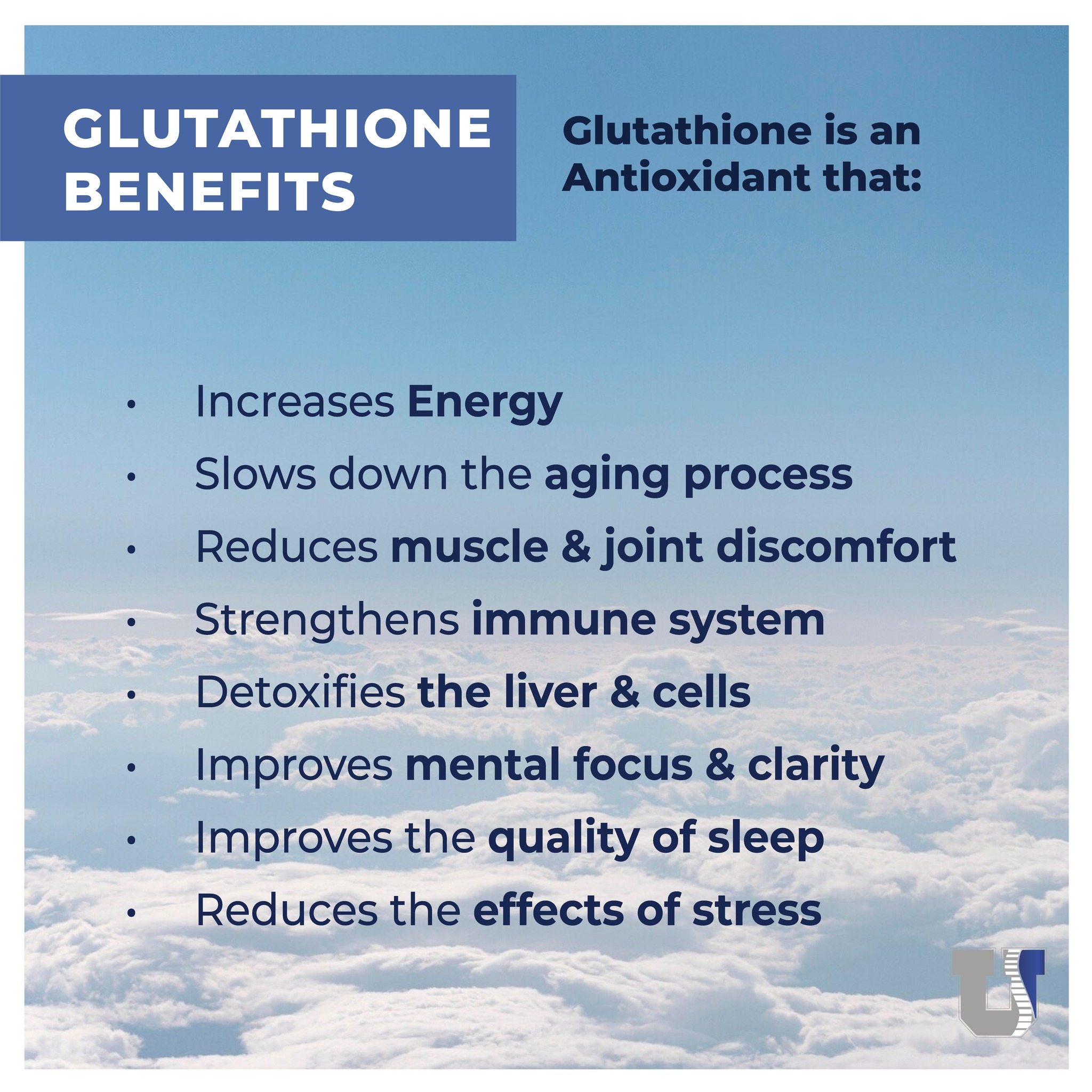 \n
\n \n\n
Common Mistakes and How to Avoid Them
\nIf you choose to experiment with this supplement, avoiding common operational mistakes will save you money and protect your digestive health.
\nThe single most frequent mistake users make is incorrect timing. Taking an oral supplement alongside a large, macro-heavy meal significantly reduces its absorption. The proteins and fats in your food trigger a massive release of digestive enzymes that can degrade the peptide, while simultaneously forcing it to compete for intestinal uptake pathways. For optimal results, always take your dose first thing in the morning with a full glass of water, at least 20 to 30 minutes before consuming breakfast or coffee.
\nThe second major mistake is inconsistent scheduling. Because cellular turnover and oxidative stress neutralization are continuous biological processes, taking a capsule once or twice a week when you remember will yield absolutely zero noticeable results. It requires a sustained, multi-week cumulative level to saturate tissue storage. If you cannot commit to a daily routine for a minimum of 60 days, it is better not to start the protocol at all.
\n\n\n\n
FAQ
\n\nIs daily glutathione supplementation proven to work by medical science?
\nYes, but with strict context. Modern clinical trials have confirmed that daily oral intake of liposomal or high-dose reduced glutathione is effective at raising overall blood plasma levels and reducing systemic oxidative stress markers. However, it is not proven to treat, cure, or prevent any medical condition or metabolic disease. Its validated role is limited to supporting natural liver health, cellular defense mechanisms, and general antioxidant balance.
\n\nHow long does daily glutathione take to show noticeable physical results?
\nFor most men aged 35 to 44, noticeable systemic changes are subtle and take between 4 to 8 weeks of consistent daily compliance to manifest. Subjective metrics like reduced morning grogginess, improved workout recovery times, and stabilized skin clarity require time to develop as cellular storage saturates. If you do not see dramatic changes within the first 14 days, that is entirely normal and expected.
\n\nAre there any negative daily glutathione side effects I should watch out for?
\nWhen taken at standard recommended dosages (250mg to 500mg daily), oral supplementation is generally well-tolerated by the vast majority of users. However, reported side effects do occur, primarily involving mild gastrointestinal issues such as abdominal bloating, gas, or soft stools, especially when using inexpensive standard powders. Additionally, long-term, uninterrupted daily intake over several years requires caution, as it could theoretically downregulate your body\'s natural endogenous production.
\n\nCan I combine daily glutathione with other vitamins and recovery supplements?
\nYes, it can be combined safely with most common daily supplements, and certain combinations may actually improve your results. For example, pairing it with Alpha-Lipoic Acid (ALA) or Vitamin C is highly effective because these specific nutrients work in a synergistic biological loop, actively recycling spent glutathione back into its functional, reduced form within your cells. However, always consult your physician if you are taking prescription medications for liver or metabolic health.
\n\nShould I choose oral daily glutathione vs injections or alternative precursors?
\nWhile direct intravenous (IV) injections offer immediate 100% bioavailability, they are highly invasive, expensive, and impractical for regular daily maintenance. High-quality oral options (like liposomal or S-acetyl variants) offer an excellent, practical middle ground for long-term everyday use. Alternatively, some individuals prefer taking N-Acetyl Cysteine (NAC), which acts as a direct, affordable building block for your liver to create its own supply naturally, though this process relies entirely on your body\'s native enzymatic capacity.
\n\n\n\n
A Practical 2-Week Experiment Framework
\nIf you decide to evaluate how your body personally responds to this supplement, do not go into it blindly. Use this objective, data-driven two-week tracking framework to measure your results without letting the placebo effect cloud your judgment.
\n\nPhase 1: Baseline Tracking (Days 1–3)
\nBefore consuming your first dose, spend three days establishing a clear baseline. On a scale of 1 to 10, write down your daily scores for waking energy levels, muscle soreness 24 hours after a workout, and mid-afternoon mental fatigue. If possible, avoid changing your baseline sleep hours, alcohol consumption, or exercise routine during this trial so you can isolate the supplement\'s effects accurately.
\n\nPhase 2: Introduction and Daily Consistency (Days 4–14)
\nChoose a premium delivery format—ideally a 250mg to 500mg liposomal liquid or an S-acetyl capsule. Take it precisely every morning on an empty stomach with a large glass of water. Wait at least 20 minutes before consuming any food. At the end of each evening, continue updating your 1 to 10 subjective wellness log. Look for subtle trends rather than sudden transformations; for instance, notice whether your mid-afternoon energy levels remain steadier or if post-exercise recovery feels slightly more efficient. If you experience persistent bloating or stomach cramps, cut your dosage in half or discontinue the trial.
\n\n\n\n
About the Author
\nMarcus Vance is a veteran health technology analyst and wellness product reviewer with over twelve years of experience dissecting clinical literature and evaluating dietary supplement formulations. Holding a background in human biology and metabolic tracking, Marcus focuses on stripping away aggressive marketing hyperbole to provide consumers with realistic, evidence-backed purchasing roadmaps. He has personally tested over forty foundational wellness compounds using rigorous self-directed blood testing protocols.
\n\nDisclaimer: The information provided in this article is intended strictly for educational, informational, and consumer review purposes. It does not constitute formal medical advice, diagnosis, or treatment. Daily dietary supplements have not been evaluated by the Food and Drug Administration to diagnose, treat, cure, or prevent any underlying disease. Always consult with a licensed physician or healthcare professional before modifying your supplement regimen, especially if you have pre-existing liver conditions or are taking prescription medications.
\n\n
Discussion