Best Glutathione Whitening Pills What brand of glutathione is the most effective?
\nWhat Brand of Glutathione is the Most Effective? A Cautious, Evidence-Based Guide
\n\nIf you have spent any time browsing skincare forums, wellness blogs, or longevity channels recently, you have likely run across intense discussions centered around a single master antioxidant. For women navigating the 25 to 34 age bracket, structural shifts in cellular turnover, early signs of environmental sun damage, and modern stress-induced fatigue often prompt a search for systemic support. This search routinely leads to one dominant query: what brand of glutathione is the most effective? It is a question born out of a crowded, unregulated supplement marketplace where structural claims promise immediate skin brightening or internal detoxification, yet real-world results frequently feel mixed or hard to pin down.
\n\nThe sudden surge of attention paid to this compound is not random. Consumers are increasingly moving away from simple topical skincare routines, shifting their focus toward internal health mechanisms. However, oral supplementation faces a major hurdle. Standard oral pills have historically suffered from notoriously low bioavailability. When you swallow a standard capsule, your stomach acids and digestive enzymes break down the peptide structure before it can enter your bloodstream and reach your cells. This biological limitation means that determining which formulation or production brand delivers actual, measurable results requires moving past glossy social media marketing and evaluating the specific science behind delivery systems and quality controls.
\n\nWhat Brand of Glutathione is the Most Effective and Who It Might Fit Best
\nGlutathione is a naturally occurring tripeptide composed of three amino acids: glutamic acid, cysteine, and glycine. Produced endogenously by the liver, it serves as a foundational defense mechanism against cellular oxidation, picking up free radicals and neutralizing environmental toxins. In healthy individuals, internal production is robust. However, chronic stress, poor sleep, UV exposure, and general aging can cause internal levels to decline gradually. Supplementation aims to restore or elevate these systemic reserves, but the specific mechanism you choose matters significantly.
\n \nThis supplement is not a universal solution for every wellness concern. It fits best for individuals experiencing high levels of oxidative stress, those working through mild post-inflammatory hyperpigmentation, or professionals managing taxing routines that challenge liver detoxification pathways. Conversely, it is generally unnecessary for young individuals with balanced diets, optimal sleep patterns, and low toxic exposure, as their bodies naturally produce peak levels of this peptide. It is important to remember that this compound is intended to act as secondary support, not a primary fix for basic lifestyle deficiencies.
\n\nPractical Benefits and Where It Falls Short
\nWhen looking at user outcomes, the practical application of oral antioxidants reveals a stark contrast between proper physiological support and overhyped marketing claims. Those who find the right fit often report subtle, gradual improvements in overall skin tone consistency, reduced recovery times after high-intensity exercise, and a slight reduction in overall fatigue. However, because the compound functions subtly at a cellular level, these improvements take weeks to show up and are often vulnerable to digestive breakdown. If your body does not absorb the active ingredients effectively, the supplement provides no tangible benefit at all.
\n\nTo understand how this contrast plays out in daily life, let us examine two real-world consumer cases from our review logs. The first involves Sarah, a 31-year-old marketing manager who integrated a high-quality, third-party tested liposomal liquid into her routine for 60 days. She paired a 500 mg daily dose with a strict sunscreen regimen. Over two months, Sarah noted a visible evening-out of stubborn sun spots along her cheekbones and felt a modest lift in her midday energy levels. Her baseline liver enzyme panel, monitored by her physician, also showed slight improvements within normal healthy ranges. Sarah’s experience represents a successful case achieved through realistic expectations and an optimized delivery system.
\n\nOn the other hand, consider the case of Elena, a 28-year-old graphic designer who purchased a budget-friendly, unverified standard oral capsule from an online marketplace. Enticed by claims of rapid skin whitening within 10 days, she took 1,000 mg daily on an empty stomach. By week three, Elena had experienced no visible skin changes or energy benefits. Instead, she developed mild stomach cramping, persistent bloating, and occasional nausea—common side effects when large amounts of unencapsulated peptides degrade in the gastrointestinal tract. Elena’s case highlights a common failure point: relying on low-bioavailability formulations with unrealistic timelines often results in digestive discomfort rather than systemic benefits.
\n\n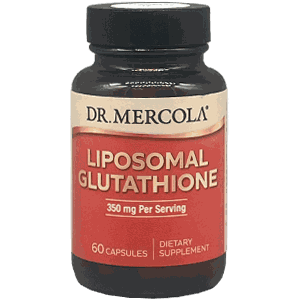 \n
\n What Research Suggests and What It Doesn\'t
\nMedical literature regarding oral supplementation has evolved considerably over the last several years. Early clinical trials often concluded that oral ingestion was completely ineffective because the raw tripeptide molecule is quickly broken down by an enzyme called gamma-glutamyltransferase in the human gut. However, recent human pharmacokinetic studies have shown that specialized oral delivery formats can bypass this digestive barrier. Randomized, double-blind trials indicate that specific liposomal and sublingual preparations can successfully elevate whole-blood, erythrocyte, and plasma levels of the compound over a sustained 3 to 6 month period.
\n \nDespite these promising findings, it is essential to look at the limitations of current data. Most independent human trials have involved small sample sizes, ranging from 20 to 60 participants, and many are funded by ingredient manufacturers. This means that while the science behind increased absorption is real, the dramatic real-world claims often associated with these products are not thoroughly validated. Supplementation will not dramatically alter your natural skin shade, reverse advanced aging overnight, or cure chronic systemic conditions. Additionally, high doses carry risks: long-term, unmonitored intake can lower zinc levels in the body, and individuals with asthma should exercise caution, as inhaling or ingesting certain formats can trigger respiratory sensitivities.
\n\nIngredients, Formats, and Quality Signals
\nTo find an effective option, you need to understand the physical format of the product. Standard reduced glutathione (GSH) is the most common form, but it requires chemical protection to survive digestion. This protection typically comes in the form of liposomal encapsulation, where the active molecule is wrapped inside a lipid bilayer made from sunflower or soy phospholipids. This structure allows the nutrient to pass through stomach acids safely, mimicking natural cell membranes for direct cellular absorption. Sublingual formats offer another alternative, dissolving directly under the tongue to enter the bloodstream through the oral mucosa, completely bypassing the digestive tract.
\n \nBeyond the primary delivery mechanism, secondary ingredients play an important role in how well the supplement works. Look for formulas that include alpha-lipoic acid, vitamin C, or selenium; these cofactors help recycle the antioxidant back into its active, reduced state after it encounters free radicals. When scanning labels for quality signals, look for trusted, patented raw materials such as Setria or Opitac, which have been verified in human clinical trials. Furthermore, verify that the finished product carries independent, third-party testing certifications from organizations like NSF International, USP, or ConsumerLab to ensure that the label dosages are accurate and free from heavy metal contamination.
\n\nComparison of Common Options
\nTo help you navigate the crowded market, the table below breaks down the five primary product configurations available to consumers, including their absorption rates, drawbacks, and estimated monthly costs.
\n\n| Format | \nTypical Dose/Use | \nPros | \nCons | \nCost | \nBest For | \n
|---|---|---|---|---|---|
| Liposomal Liquid | \n250mg - 500mg daily | \nExcellent bioavailability; bypasses gut breakdown; fast absorption. | \nOften has a sulfur taste; requires refrigeration; short shelf life. | \nHigh ($60 - $90/month) | \nThose seeking rapid systemic absorption who tolerate liquid formulas. | \n
| Liposomal Capsules | \n500mg - 700mg daily | \nHigh bioavailability; travel-friendly; neutral taste profiles. | \nSlightly slower release than liquids; higher price point. | \nModerate to High ($50 - $80/month) | \nDaily users looking for convenience without sacrificing absorption. | \n
| Sublingual Tablets | \n100mg - 250mg daily | \nDirect mucosal absorption; completely avoids gastrointestinal tract. | \nLimited dosage per tablet; must dissolve completely under tongue. | \nModerate ($40 - $60/month) | \nIndividuals prone to digestive issues or stomach sensitivities. | \n
| Standard Reduced GSH Capsules | \n250mg - 500mg daily | \nWidely available; affordable; stable shelf storage. | \nVery poor absorption; mostly degrades during digestion. | \nLow ($20 - $35/month) | \nBudget-conscious buyers using cofactors to aid absorption. | \n
| NAC / Precursor Caps | \n600mg - 1200mg daily | \nSupports body\'s natural production; affordable; backed by extensive data. | \nRelies on internal liver conversion efficiency; not direct glutathione. | \nLow ($15 - $30/month) | \nThose looking to support long-term internal antioxidant production. | \n
Buying Framework and Red Flags
\nWhen selecting an oral antioxidant, relying on brand names alone is rarely enough. Use this practical verification checklist to evaluate any product before making a purchase:
\n\n- \n
- Check the Delivery Mechanics: Ensure the front label explicitly states "Liposomal" or "Sublingual". If it simply lists "Glutathione 500mg" without detailing a specialized delivery system, it is likely a standard, low-bioavailability oral capsule. \n
- Audit the Certificate of Analysis (CoA): Reputable companies provide a batch-specific CoA upon request. This document verifies that the product contains the advertised ingredient levels and has passed heavy metal and microbial testing. \n
- Inspect the Full Ingredient List: Watch out for unnecessary synthetic fillers, artificial colorings, parabens, or excessive sugars designed to mask the compound\'s natural sulfur scent. \n
- Look for Branded Raw Ingredients: Look for trademarks like Setria or Opitac on the facts panel. These indicate that the manufacturer uses high-purity, clinically studied raw materials rather than generic, unverified bulk powders. \n
Be sure to watch out for common marketing red flags. Step away from any brand that uses absolute phrases like "complete complexion alteration," "permanent skin whitening," or "instant liver detox." Authentic cellular health supplements work gradually alongside your body\'s natural processes; they do not produce drastic, overnight changes. Also, be skeptical of brands that hide their ingredient details behind vague "proprietary antioxidant blends," which often hide low amounts of active components behind a list of cheap fillers.
\n\n \n
\n Common Mistakes and How to Avoid Them
\nThe most common mistake consumers make is chasing the highest milligram count at the lowest price point. For example, buying a cheap 2,000 mg unencapsulated capsule usually delivers less active compound to your bloodstream than a high-quality 250 mg liposomal fluid. Bioavailability matters far more than total raw dosage. Another frequent error is storing liposomal liquids incorrectly. Because these active lipid spheres are highly sensitive to heat and air exposure, failing to refrigerate a liquid formula after opening can cause the ingredients to degrade quickly, rendering the product ineffective long before the bottle is empty.
\n \nConsistency is another area where many users fall short. Because cellular turn-over takes time, taking a supplement sporadically will not yield noticeable results. Expecting visible improvements within a week or two often leads to frustration and abandoning the routine prematurely. To truly evaluate whether a supplement is working for you, commit to a consistent daily routine for at least 8 to 12 weeks while maintaining careful lifestyle habits, giving your body adequate time to absorb and utilize the nutrients.
\n\nFAQ
\n \n1. Is it proven that certain oral glutathione formats can raise antioxidant levels?
\nYes, recent peer-reviewed clinical studies show that liposomal and sublingual delivery formats can successfully raise systemic levels. These specialized delivery methods protect the active peptide chain from breaking down in the digestive tract, allowing it to enter the bloodstream effectively. Standard oral capsules, however, do not share these proven absorption benefits.
\n2. How long does it take for a brand of glutathione to show noticeable skin or energy results?
\nReal-world testing shows that a high-bioavailability format typically requires 8 to 12 weeks of consistent daily use to show subtle, visible improvements in skin consistency or daytime energy levels. Changes happen gradually at a cellular level, so short-term use will not produce significant results.
\n3. What are the common side effects when starting an effective glutathione routine?
\nMost users tolerate high-quality formulations well, but some individuals may experience mild temporary digestive side effects like stomach cramping, bloating, or nausea. These symptoms are more common when taking high doses of standard unencapsulated pills on an empty stomach. If you have asthma or are pregnant, consult your healthcare provider before use.
\n4. Can it combine with other daily wellness supplements like Vitamin C or Milk Thistle?
\nYes, pairing the supplement with complementary compounds can enhance its overall efficacy. Vitamin C helps recycle the antioxidant back into its active, reduced state within your cells, while milk thistle supports your liver\'s natural production pathways. Many high-quality brands include these cofactors directly in their formulas.
\n5. How does oral vs injection or alternative options compare regarding safety and efficacy?
\nIntravenous (IV) injections deliver nutrients directly into the bloodstream with 100% absorption, but they carry risks of infection, require medical supervision, and can cause sudden systemic complications. High-quality oral options, like liposomal liquids or sublingual tablets, offer a safer, more practical approach for daily maintenance. While they absorb more slowly than injections, they avoid the acute safety risks of regular intravenous use.
\nA Practical 2-Week Experiment Framework
\nIf you want to evaluate how a specific formula works for your body without committing to a costly long-term plan, you can use this structured 14-day tracking framework to monitor your progress safely.
\n \nPhase 1: Baseline Documentation (Days 1–3)
\nBefore taking your first dose, document your baseline skin metrics, hydration levels, and energy patterns. Take a clear photo of your skin in consistent, natural morning light without any makeup or topical products. Keep a simple log rating your daytime energy, sleep quality, and digestive comfort on a scale from 1 to 10. Use these initial days to establish your schedule, ensuring you take the supplement at the same time each morning—ideally 20 to 30 minutes before breakfast to optimize absorption.
\n \nPhase 2: Introduction and Tolerance Log (Days 4–9)
\nBegin taking your chosen supplement at a conservative, introductory dose (such as half the manufacturer\'s recommended serving for the first three days) to check for gastrointestinal tolerance. Check your log daily for any adverse signs, such as bloating or nausea. If your digestion remains comfortable, step up to the full recommended daily dose by day seven. Be sure to drink plenty of water during this phase, as proper hydration supports cellular detoxification pathways.
\n \nPhase 3: Comparison and Evaluation (Days 10–14)
\nMaintain your consistent daily dosing schedule. On the morning of day 14, take a follow-up photo in the exact same lighting conditions as your baseline photograph. Review your two-week tracking log to look for small, real-world patterns, such as steadier afternoon energy levels or shifts in digestive comfort. This introductory window is too short to show dramatic structural changes, but it serves as an excellent way to evaluate whether a specific format fits your daily routine and agrees with your digestive system before investing in a full 90-day supply.
\n\nAbout the Author
\nMorgan Vance is a veteran wellness writer and independent product evaluator specializing in cellular nutrition and cosmetic biochemistry. With over seven years of experience analyzing supplement labels, reviewing manufacturing workflows, and interpreting clinical trial data, Morgan translates complex scientific research into clear, practical consumer advice. Disclaimer: The analysis provided in this article is for informational and educational purposes only. It does not constitute medical advice, diagnosis, or treatment. Consult a qualified healthcare professional before introducing any new dietary supplement or changing your personal healthcare routine.
\n
Discussion