Benefits Of Glutathione For Skin What does glutathione do to the face?
\nWhat Does Glutathione Do to the Face? A Realist\'s Guide for Men
\n\nIf you have spent any time looking into skincare routines, hangover cures, or wellness supplements lately, you have likely run across the word "glutathione." On social media and wellness blogs, it is often hyped as a miracle molecule capable of completely transforming tired, uneven skin overnight. But if you cut through the marketing noise, what does glutathione do to the face in reality? For men in their late 20s and early 30s, this question is becoming increasingly relevant.
\n\nBy the time you hit the 25-34 age bracket, your skin begins to change. Late nights at work, stress, lack of sleep, and years of sun exposure start catching up to you. You might notice that your skin looks chronically dull, or that dark spots left behind by razor bumps and occasional breakouts take months to fade. This is the exact intent behind searching for glutathione solutions. Guys are looking for a straightforward, no-nonsense way to clean up their skin profile without resorting to multi-step cosmetic routines that feel overly complicated or artificial. This article breaks down exactly what you can expect, what you should avoid, and how the molecule actually operates when applied or ingested.
\n\nWhat Glutathione Face Treatments Are and Who They Might Fit Best
\nGlutathione is a naturally occurring tripeptide produced by your liver, composed of three amino acids: cysteine, glutamic acid, and glycine. It serves as the body’s "master antioxidant," neutralizing free radicals that cause cellular damage. In the context of grooming, people look to it because it interacts with melanin production—specifically by leaning the body toward producing pheomelanin (a lighter pigment) rather than eumelanin (a darker pigment).
\n\nThis mechanism means that a glutathione face treatment or supplement is generally targeted at individuals dealing with oxidative stress-induced skin issues. Who fits this description best? \n
- \n
- The Urban Professional (Ages 25-34): Constantly exposed to city pollution, blue light from monitors, and high-stress environments that deplete natural antioxidant levels. \n
- The Active Outdoorsman: Someone dealing with early sun damage, subtle fine lines, or rough texture from UV exposure. \n
- Men with Post-Inflammatory Hyperpigmentation (PIH): If shaving leaves you with dark marks, or if old acne spots linger indefinitely, glutathione’s pigment-modulating properties are theoretically designed for you. \n
Practical Benefits and Where It Falls Short
\nWhen assessing what glutathione does to the face, the actual day-to-day benefits generally manifest as a gradual improvement in skin radiance and a more even skin tone. Because it fights oxidative damage, it can make the skin look less fatigued and reduce the sallow, gray undertone associated with poor sleep or smoking. However, the gap between marketing claims and real-world results can be wide.
\n\n\n Case Study 1: The Balanced Approach (Success)\n\n
\n Mark, a 31-year-old software engineer, noticed his skin looking consistently washed out and uneven due to 60-hour work weeks. He began using a topical glutathione serum combined with a 500mg daily liposomal oral supplement. For the first three weeks, nothing happened. By week six, he noticed that his skin looked less "gray" in the mornings, and a dark spot on his jawline from a shaving nick had faded noticeably quicker than usual. He spent roughly $85 over two months and achieved a healthier, well-rested appearance.\n
\n Case Study 2: The Unrealistic Expectation (Failure)\n\n
\n Dave, a 28-year-old sales representative, bought standard, cheap oral glutathione capsules ($20/month) from a local supermarket, hoping they would completely erase his deep sunspots and lighten his natural skin tone by several shades within two weeks. Because standard oral glutathione breaks down rapidly in the digestive tract, his body absorbed very little. He skipped sunscreen, thinking the supplement would protect him. After a month, his face looked exactly the same, his sunspots were slightly darker due to UV exposure, and he concluded the ingredient was a total scam.\n
 \n
\n What Research Suggests and What It Doesn\'t
\nClinical studies on glutathione present a nuanced picture. Several small-scale, double-blind trials have shown that both topical application and specific oral forms (such as sublingual or liposomal) can decrease melanin indices and improve moisture content in the skin over a 4 to 8-week period. The science shows it works by inhibiting tyrosinase, an enzyme crucial for melanin synthesis.
\nHowever, the limitations of these studies are critical to note. Many trials have small sample sizes and are frequently funded by supplement manufacturers. Furthermore, standard oral capsules possess incredibly low bioavailability; the digestive system breaks down the molecule before it ever reaches your bloodstream or facial tissue. There is absolutely no robust scientific backing to support claims that non-prescription glutathione can permanently or drastically alter your genetic skin color or erase deep-set wrinkles. Additionally, overusing high-dose unverified supplements can cause mild side effects like abdominal cramping, bloating, or, in rare cases of extreme intravenous misuse, kidney and thyroid stress. It is a subtle optimizer, not a laser treatment.
\n\nIngredients, Formats, and Quality Signals
\nIf you decide to experiment with glutathione, navigating the product market requires an analytical eye. The ingredient comes in several distinct formats, and what you pair it with determines how well your facial skin responds.
\n \nKey Formats to Consider
\n- \n
- Topical Serums/Creams: Directly delivers the ingredient to the facial skin barrier. Look for formulations that pair glutathione with Vitamin C or Vitamin E. These antioxidants work in a cyclical loop, recycling each other to maintain potency. \n
- Liposomal Oral Supplements: The glutathione molecule is wrapped in a layer of fat (liposomes), shielding it from stomach acid and significantly increasing absorption rates. \n
- S-Acetyl Glutathione: A highly stable variation that is easily absorbed by the intestinal tract without breaking down prematurely. \n
Quality Signals
\nAlways look for products manufactured in cGMP (Current Good Manufacturing Practice) compliant facilities. Third-party testing certifications (such as NSF or USP) are vital markers that ensure what is on the label is actually inside the container. Avoid brands that rely heavily on vague "proprietary brightening complexes" without disclosing exact milligram counts.
\n\nComparison of Common Options
\nTo help guide your purchasing decisions, here is a breakdown of how the most common glutathione variations compare in terms of practical delivery to the face, costs, and downsides.
\n\n| Format | \nTypical Dose/Use | \nPros | \nCons | \nCost (Monthly) | \nBest For | \n
|---|---|---|---|---|---|
| Topical Serum | \nApply 3-5 drops to the face daily | \nDirect action on dark spots; low systemic risk. | \nCan oxidize quickly if exposed to air/light. | \n$30 - $70 | \nTargeting local hyperpigmentation and surface dullness. | \n
| Liposomal Oral Liquid/Caps | \n250mg - 500mg daily on an empty stomach | \nHigh cellular absorption; benefits overall body fatigue. | \nOften has a distinct sulfur taste/smell. | \n$45 - $90 | \nSystemic antioxidant support and overall skin radiance. | \n
| S-Acetyl Glutathione | \n100mg - 200mg daily | \nHighly stable at room temperature; excellent bioavailability. | \nMore expensive per milligram than standard capsules. | \n$50 - $110 | \nConvenience and predictable intestinal tracking. | \n
| Standard Oral Capsules | \n500mg - 1000mg daily | \nVery cheap; widely available. | \nExtremely poor absorption; mostly wasted in digestion. | \n$15 - $30 | \nNot recommended if facial results are your primary goal. | \n
| Sublingual Spray/Tablets | \nAdministered under the tongue daily | \nBypasses liver metabolism via mucous membranes. | \nRequires strict consistency; limited flavor options. | \n$40 - $75 | \nThose who dislike swallowing large pills or drinking liquids. | \n
Buying Framework and Red Flags
\nBefore entering your credit card details on a wellness site, use this quick checklist to filter out substandard products. The supplement and cosmetic industries are loosely regulated, meaning the burden of verification falls heavily on the consumer.
\n\nThe Anti-Hype Checklist
\n- \n
- [ ] Check the form: Does it explicitly say "Liposomal", "S-Acetyl", or is it just listed as standard "L-Glutathione"? If it\'s standard oral, skip it. \n
- [ ] Look for Synergistic Ingredients: For topicals, ensure it includes supporting agents like Alpha Arbutin, Vitamin C, Kojic Acid, or Niacinamide to maximize efficiency. \n
- [ ] Examine the Packaging: Topical glutathione must be housed in dark, opaque, or amber-colored airtight bottles. If it\'s in a clear glass bottle with a loose dropper, it will degrade rapidly from light exposure. \n
Red Flags to Watch Out For
\nBe highly skeptical of any product that uses phrases like "permanent skin bleaching," "instant celebrity complexion," or "clinical cure for hyperpigmentation." Genuine physiological adjustments take time. If a brand refuses to provide a certificate of analysis (CoA) upon request, or hides behind a proprietary blend without listing individual milligram concentrations, look elsewhere.
\n\n \n
\n Common Mistakes and How to Avoid Them
\nThe most frequent error men make when evaluating what glutathione does to the face is failing to manage their baseline habits. You cannot out-supplement a bad lifestyle or a total absence of sun protection.
\nIf you take high-end liposomal glutathione but spend all weekend drinking in the sun without wearing a basic SPF 30 sunscreen, the UV rays will trigger melanin production far faster than glutathione can suppress it. Another common mistake is giving up too early. Skin cells take roughly 28 to 40 days to turn over in men aged 25-34. Expecting a noticeable transformation in one week is physically impossible. Give any new routine at least six to eight weeks of steady adherence before grading its effectiveness.
\n\nFAQ
\n \nIs a glutathione face cream proven to work for men\'s skin?
\nYes, within specific parameters. Topical formulas featuring stabilized glutathione have been clinically demonstrated to reduce the appearance of minor dark spots and improve skin smoothness by combating localized oxidative stress. However, it works best when integrated into a broader routine that includes cleansing and daily sun protection.
\n\nHow long does it take for glutathione to change face brightness or fade dark spots?
\nFor high-bioavailability variants (like liposomal or topical serums), you can expect to observe initial subtle shifts in skin clarity and radiance within 4 to 6 weeks of daily, uninterrupted use. Deep-set pigmentation or severe sun damage will take significantly longer, often requiring 3 months or more to show measurable improvement.
\n\nWhat are the potential glutathione face side effects I should look out for?
\nWhen applied topically, side effects are rare but can include mild redness, irritation, or contact dermatitis if your skin is sensitive to the formulation\'s preservatives. When taken orally in excessive amounts (over 1000mg/day), some individuals report mild stomach upset, bloating, or cramping. Discontinue use immediately if you experience adverse symptoms.
\n\nCan it combine with other active ingredients like retinol or vitamin C?
\nAbsolutely. In fact, glutathione works optimally when paired alongside Vitamin C, as they work together to stabilize each other against oxidation. It can also be safely integrated alongside a nighttime retinol routine; use your glutathione serum or oral supplement in the morning to protect against daytime environmental stressors, and your retinol at night to promote cell turnover.
\n\nWhich approach is better for facial grooming: oral vs injection or topical alternatives?
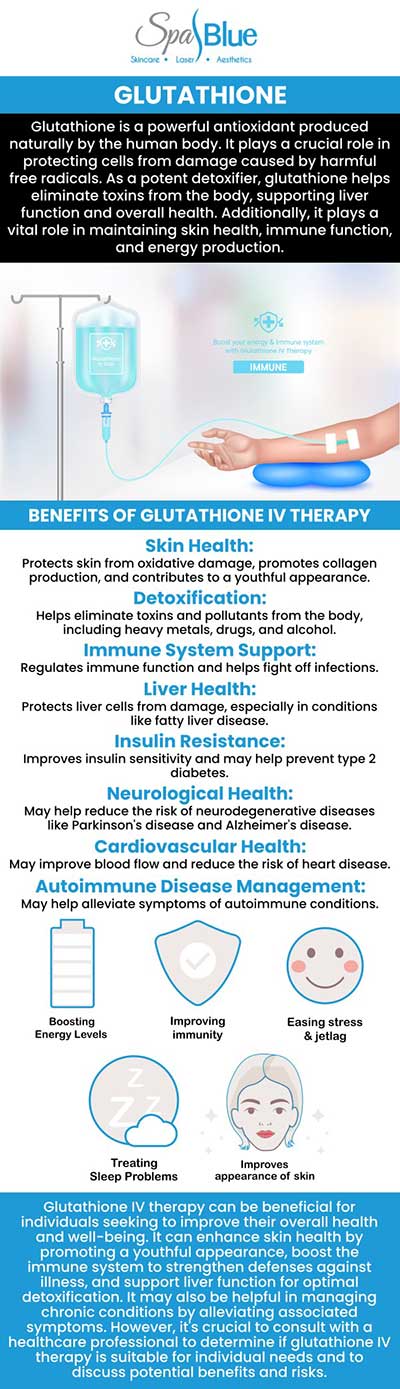
\nWhile intravenous injections deliver glutathione directly into the bloodstream, they carry higher medical risks, require clinic visits, are expensive, and are generally unnecessary for standard grooming. For most men aged 25-34, a dual approach combining a targeted topical serum (for direct action on facial dark spots) with an oral liposomal capsule (for systemic antioxidant defense) provides the best balance of safety, cost, and long-term convenience.
\n\nA Practical 2-Week Experiment Framework
\nIf you want to test how your face responds to glutathione without investing hundreds of dollars or committing to a complex regime, follow this straightforward, baseline trial protocol.
\n \nWeek 1: Patch Testing and Baseline Setup
\nPurchase a reputable, third-party verified topical glutathione serum housed in an opaque pump bottle. For the first three days, apply 2 drops to a small patch of skin on your jawline or upper neck before bed. Watch for any signs of itching, redness, or bumps. If your skin tolerates it cleanly, begin applying 3 drops across your entire face every morning after washing your face and right before applying your standard moisturizer and sunscreen.
\n\nWeek 2: Tracking and Routine Maintenance
\nContinue the morning topical application. If you have chosen to include an oral component, introduce a daily 250mg liposomal capsule taken first thing in the morning with a glass of water, ideally 20 minutes before breakfast. Take a high-resolution photo of your face next to a window in natural morning light on Day 1, Day 7, and Day 14. Do not expect massive shifts by Day 14; instead, look for subtle indicators such as reduced dry patches, less pronounced morning puffiness, or a minor increase in overall skin softness.
\n\nAbout the Author
\nJames Thorne is a veteran grooming analyst and consumer advocate specializing in men\'s skincare biochemistry and performance testing. Over the past seven years, he has independently evaluated over 150 topical formulations, supplement lines, and active cosmetic ingredients, focusing closely on realistic outcomes for the modern working man. He has no financial affiliations with any specific skincare conglomerates or supplement brands.
\nDisclaimer: The information provided in this article is intended strictly for educational and informational purposes. It does not constitute medical advice, diagnosis, or treatment. Always consult with a certified dermatologist or a qualified healthcare professional before introducing new dietary supplements or high-potency cosmetic ingredients into your daily routine, especially if you have pre-existing skin conditions or allergies.
\n
Discussion