Benefits Of Glutathione For Skin Is glutathione better than vitamin C?
\nIs Glutathione Better Than Vitamin C? A Realistic Review for Men Over 45
\n\n\n\nIf you are a man in your late 40s or early 50s, you have likely noticed that your body doesn\'t bounce back quite as fast as it used to. Whether it is morning stiffness, slower recovery after a workout, or a dullness in your skin tone, cellular aging is a reality we all face. In the search for optimal longevity tools, the debate regarding whether is glutathione better than vitamin C has gained significant traction. Many health blogs market glutathione as the ultimate "master antioxidant," leaving consumers wondering if their standard daily vitamin C pill is obsolete.
\n\nFor men in this specific age bracket, choosing supplements is no longer about blindly swallowing multivitamins; it is about efficiency, bio-availability, and targeted results. You want to know what actually works at a cellular level to combat oxidative stress, improve liver health, and support a sharp mind. This review breaks down the science, real-world costs, and practical limitations of both options so you can make an informed decision based on data rather than marketing hype.
\n\n\n\n
What Glutathione vs Vitamin C Is and Who It Might Fit Best
\n\nTo understand if glutathione is superior to vitamin C, we first need to define what these molecules actually do. Vitamin C (ascorbic acid) is an essential nutrient. Your body cannot produce it; you must get it from your diet or supplements. It acts as a primary antioxidant in your blood and extracellular fluid, scavenging free radicals and playing a critical role in collagen synthesis—something men over 45 need to maintain joint integrity and skin elasticity.
\n\nGlutathione, on the other hand, is a tripeptide produced naturally inside your cells. It is often referred to as the "master antioxidant" because it recycled other antioxidants, including vitamin C. Its primary job is to bind to toxins, heavy metals, and metabolic waste in the liver, making them water-soluble so your body can excrete them.
\n\nWho fits each best? Vitamin C is the foundational baseline. If your budget is tight, or if your primary goals are basic immune support and collagen synthesis, standard vitamin C is the logical choice. However, if you are experiencing higher levels of metabolic fatigue, stress, frequent alcohol consumption, or noticeable age spots, targeted glutathione supplementation might be the missing piece puzzle. It is specifically suited for men who need advanced liver detoxification support and targeted cellular repair.
\n\n\n\n
Practical Benefits and Where It Falls Short
\n\nNo supplement is perfect, and understanding the practical limitations is crucial before spending your hard-earned money. Let\'s look at how these antioxidants perform in real-world scenarios, including where they succeed and where they fail completely.
\n\nCase Study 1: The Successful Integration (David, Age 51)
\nDavid, a 51-year-old corporate executive, noticed persistent fatigue, brain fog, and dark circles under his eyes despite getting 7 hours of sleep. He had been taking 1,000 mg of standard vitamin C for years with minimal change in these specific symptoms. After researching the topic, he switched to a high-quality liposomal glutathione at 500 mg per day. Within six weeks, David reported a noticeable improvement in waking energy levels and a clearer complexion. For David, addressing internal oxidative stress via a highly bioavailable form of glutathione provided benefits that vitamin C alone could not reach.
\n\nCase Study 2: The Failure of Standard Oral Formats (Mark, Age 48)
\nMark, a 48-year-old amateur cyclist, wanted to accelerate his post-ride muscle recovery. Seeing an inexpensive bottle of standard, non-liposomal reduced glutathione (500 mg capsules) at a local grocery store for $20, he decided to try it. He took it daily for two months. The result? Absolutely nothing. His recovery times remained unchanged, and blood panels showed no significant movement in markers of oxidative stress. Mark’s failure highlights the biggest pitfall of glutathione: ordinary oral capsules are almost entirely broken down by your stomach acids and digestive enzymes before they ever reach your bloodstream.
\n\n \n
\n \n\n
What Research Suggests and What It Doesn\'t
\n\nWhen assessing the query is glutathione better than vitamin C, we must look closely at clinical data. The scientific community agrees that both are vital, but their therapeutic applications differ wildly. Research indicates that vitamin C is highly bioavailable when taken orally in modest doses (under 200-500 mg at a time). It readily saturates tissues and supports white blood cell function. However, its ability to reverse deep-seated cellular aging or liver stress in older men is limited.
\n\nGlutathione research is more complex. For decades, clinical studies dismissed oral glutathione as useless due to poor absorption. However, recent human trials focusing on advanced delivery mechanisms—specifically liposomal encapsulation and S-acetyl-L-glutathione—have shown promise. These studies demonstrate that these specialized forms can successfully elevate systemic glutathione levels, reduce biomarkers of oxidative stress, and support immune cell proliferation in older adults.
\n\n\n Clinical Caveat: Beware of exaggerated marketing claims. No supplement will instantly erase wrinkles, cure chronic fatigue syndrome, or reverse decades of poor dietary habits overnight. Furthermore, long-term high-dose glutathione supplementation should be approached with caution, as over-supplementation can theoretically signal your body to reduce its own natural production of the molecule.\n\n\n
\n\n
Ingredients, Formats, and Quality Signals
\n\nWhen shopping for these antioxidants, reading the ingredient label carefully is non-negotiable. For vitamin C, look for standard ascorbic acid if you have a robust stomach, or buffered versions (like calcium ascorbate or sodium ascorbate) if you are prone to acid reflux or digestive irritation.
\n\nFor glutathione, the label format determines whether the product works or goes straight to the toilet. You must look for specific keywords:
\n- \n
- Liposomal Glutathione: The molecule is wrapped in a sphere of phospholipids, allowing it to pass through the stomach intact. \n
- S-Acetyl-L-Glutathione: An attached acetyl group protects the molecule from breakdown in the gastrointestinal tract and allows it to cross the cell membrane efficiently. \n
- Third-Party Testing: Look for seals from NSF, USP, or ConsumerLab to ensure the delicate ingredients haven\'t oxidized on the shelf. \n
\n\n
Comparison of Common Options
\n\nTo give you a clearer picture of how these two options stack up in their various forms, here is a direct comparison table outlining costs, formats, and practical applications.
\n\n| Format | \nTypical Dose/Use | \nPros | \nCons | \nCost (Monthly) | \nBest For | \n
|---|---|---|---|---|---|
| Standard Vitamin C (Ascorbic Acid) | \n500mg - 1000mg daily | \nVery inexpensive, highly stable, supports basic immunity. | \nCan cause stomach upset at high doses; limited liver impact. | \n$5 - $15 | \nDaily health baselines, budget-conscious buyers. | \n
| Standard Oral Glutathione (Reduced) | \n250mg - 500mg daily | \nWidely available in retail stores. | \nExtremely poor absorption; mostly destroyed by digestion. | \n$15 - $30 | \nNot recommended due to low bioavailability. | \n
| Liposomal Glutathione (Liquid/Capsule) | \n250mg - 500mg daily | \nSignificantly higher absorption; bypasses gut breakdown. | \nLiquid formats often have a strong sulfur taste; expensive. | \n$45 - $75 | \nMen over 45 focusing on cellular aging & skin clarity. | \n
| S-Acetyl-L-Glutathione | \n100mg - 300mg daily | \nExcellent intracellular penetration; stable shelf life. | \nPremium pricing; harder to find from reputable brands. | \n$50 - $90 | \nTargeted cognitive support, liver detox, energy improvement. | \n
\n\n
Buying Framework and Red Flags
\n\nNavigating the supplement aisle requires a critical eye. Use this quick verification checklist before you purchase any premium antioxidant product:
\n\n- \n
- ✅ Form Check: Does the bottle explicitly state "Liposomal" or "S-Acetyl"? If it just says "L-Glutathione" or "Reduced Glutathione" without a specialized delivery technology, put it back. \n
- ✅ Packaging Check: High-quality glutathione is sensitive to light and heat. Look for dark amber glass bottles or opaque, tightly sealed containers. \n
- ✅ Additive Inspection: Turn the bottle around. Ensure it is free of excessive artificial fillers, magnesium stearate, or artificial colorings. \n
Crucial Red Flags to Avoid:
\n- \n
- The "Proprietary Blend" Trap: If a manufacturer lists a "Proprietary Antioxidant Blend" totaling 500mg containing both vitamin C and glutathione, you likely are getting very little glutathione and a cheap filler of vitamin C. \n
- Too-Good-To-Be-True Pricing: A 60-capsule bottle of liposomal glutathione priced under $20 is a red flag. Real lipid encapsulation manufacturing processes are costly; ultra-cheap options are usually standard powders mislabeled or under-dosed. \n
 \n
\n \n\n
Common Mistakes and How to Avoid Them
\n\nThe single biggest mistake men make when comparing these supplements is treating them as mutually exclusive options. They assume that if they invest in a premium glutathione supplement, they must stop taking vitamin C entirely. This is counterproductive. As mentioned earlier, these compounds work in synergy. Vitamin C helps regenerate oxidized glutathione back into its active, useful state inside your cells.
\n\nAnother common mistake is ignoring lifestyle factors while taking these supplements. No amount of advanced liposomal glutathione can counteract the cellular damage caused by heavy smoking, chronic sleep deprivation, or excessive sugar intake. Think of these compounds as optimizers, not shields that grant immunity to poor health choices.
\n\n\n\n
FAQ
\n\nQ1: Is glutathione proven to be more effective than vitamin C for overall wellness?
\nThere is no definitive proof that one is unilaterally better than the other, as they serve different primary roles. Vitamin C is proven for immune response and collagen health, whereas glutathione is highly proven for intracellular detoxification and neutralising deeper metabolic byproducts. They are teammates rather than competitors.
\n\nQ2: How long does it take to see visible results when using glutathione?
\nIf you are utilizing a highly bioavailable liposomal or S-acetyl form, initial changes in baseline energy levels or skin radiance typically take between 4 to 8 weeks of consistent daily usage. Subtle markers like liver enzyme improvements may take longer and require verification via regular blood panels.
\n\nQ3: What are the main side effects of high-dose glutathione supplementation?
\nWhile generally well-tolerated, some men report mild bloating, abdominal cramping, or loose stools when starting oral forms. Long-term, continuous consumption of high doses without breaks can potentially lower zinc levels or suppress your body\'s natural, endogenous production of antioxidants.
\n\nQ4: Can it combine with vitamin C safely in a daily supplement stack?
\nYes, absolutely. In fact, combining them is highly recommended. Vitamin C acts as a natural sparing agent for glutathione, ensuring it remains in its active, reduced state longer. Taking 500 mg of buffered vitamin C alongside your liposomal glutathione can optimize the efficiency of both.
\n\nQ5: Is oral vs injection/alternative glutathione options vastly different in efficacy?
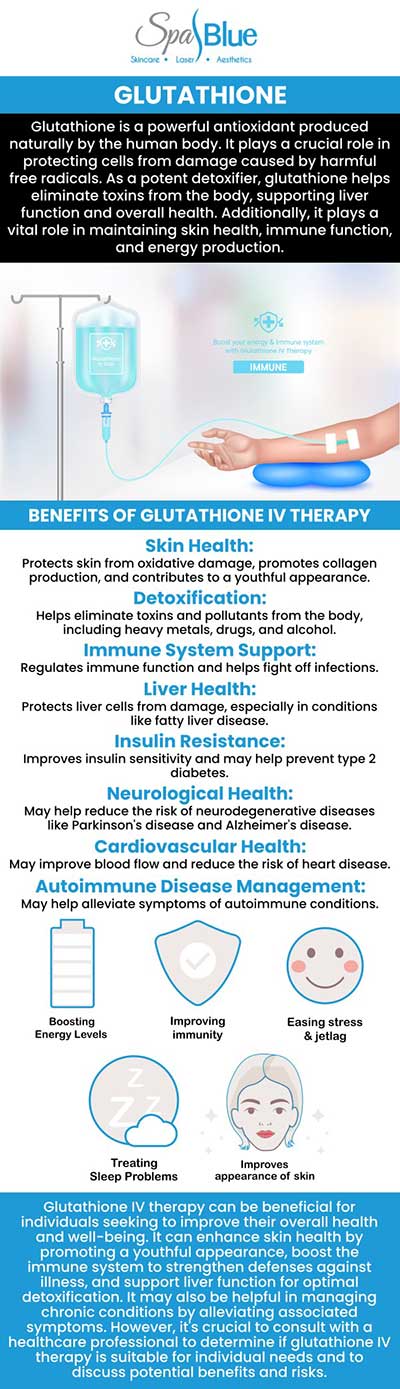
\nYes, they are drastically different. Traditional oral tablets have very low efficacy due to stomach degradation. Intravenous (IV) injections bypass the gut completely, offering 100% bioavailability, but they are highly expensive ($100-$300 per session) and carry small infection risks. High-quality liposomal or S-acetyl oral options represent the middle ground, offering a practical, affordable balance between cost and actual systemic absorption.
\n\n\n\n
A Practical 2-Week Experiment Framework
\n\nIf you want to test whether investing in a premium glutathione supplement is worthwhile for your body, do not just take it blindly for months. Try this simple, structured 2-week baseline experiment:
\n\n- \n
- Days 1-3 (Establish Baseline): Do not change your current routine. Keep a simple evening log of your energy levels on a scale of 1-10, morning stiffness, and digestive comfort. \n
- Days 4-10 (Introduce Bioavailable Glutathione): Introduce a moderate dose (e.g., 250mg to 500mg) of Liposomal Glutathione or S-Acetyl-L-Glutathione first thing in the morning on an empty stomach, at least 20 minutes before breakfast. Take it alongside your usual vitamin C if you use one. \n
- Days 11-14 (Assessment Period): Continue the protocol and evaluate your logs. Look specifically for changes in waking alertness, recovery times after physical activity, or reductions in typical afternoon energy crashes. \n
If you notice zero subjective changes after a full month of this protocol, your endogenous glutathione production may already be optimal, and you can comfortably save your money and stick to a reliable, budget-friendly vitamin C regimen.
\n\n\n\n
About the Author
\nMarcus Vance is a veteran health analyst and consumer supplement researcher specializing in longevity tech for men over 40. With over a decade of experience reviewing clinical trial data and testing formulations firsthand, Marcus focuses on cutting through marketing jargon to provide transparent, practical advice for the modern aging man.
\n\nDisclaimer: The information provided in this article is intended strictly for informational and educational purposes. It does not constitute medical advice, diagnosis, or treatment. Always consult with a qualified healthcare professional or physician before introducing new dietary supplements into your routine, especially if you take daily prescription medications or have pre-existing health conditions.
\n\n
Discussion