What Does Glutathione Do For Your Body Can people with Hashimoto's take glutathione?
\nCan People with Hashimoto\'s Take Glutathione? A Real-World Breakdown for Young Men
\n\nFinding out you have an autoimmune condition in your late teens or early twenties is a frustrating curveball. For young men aged 18-24, dealing with the sudden onset of crushing fatigue, lifting weights only to feel exhausted for days, or struggling to focus through brain fog during college or a new job can feel isolating. When looking for ways to support energy production and cellular health, you will inevitably run across wellness forums recommending "the master antioxidant." Naturally, this leads to a critical question: can people with Hashimoto\'s take glutathione safely, or is it just another overhyped supplement that will drain your bank account?
\n \nThe internet is full of dramatic recovery stories and aggressive marketing claims promising that a single bottle of pills can reverse thyroid antibodies. However, managing an autoimmune condition requires looking past the marketing copy and focusing on real data, physiological mechanics, and consumer realities. This guide digs into the actual utility of glutathione, looking closely at how it functions in the body, where it falls short, what the current research says, and how to spot low-quality products if you decide to try it out.
\n\nWhat Glutathione for Thyroid Autoimmunity Is and Who It Might Fit Best
\nGlutathione is a tripeptide composed of three amino acids: cysteine, glycine, and glutamic acid. It is produced naturally by your liver and is found in virtually every cell in the human body. Its primary job is to neutralize free radicals, detoxify harmful compounds, and assist in maintaining the balance of the immune system. In a body unaffected by chronic illness, native production is typically sufficient to handle daily oxidative stress.
\n \nHowever, chronic inflammation—like the kind seen in autoimmune thyroiditis—can deplete your body\'s natural antioxidant stores. When cells are constantly fighting off an internal immune attack, they generate higher levels of reactive oxygen species (ROS). Supplementing with glutathione is intended to step in as a cellular buffer, protecting fragile thyroid tissue from this ongoing oxidative stress.
\n \nSo, who might this supplement actually fit best? It is generally not a first-line solution for someone who has just been diagnosed and hasn\'t settled on a stable dose of thyroid hormone replacement (like levothyroxine). Instead, it tends to fit best for individuals who have already corrected their basic hormone levels but still struggle with lingering, low-grade systemic issues. If you are experiencing persistent brain fog, slow muscle recovery after working out, or generalized environmental sensitivities despite having "normal" lab work, your cellular antioxidant pathways might be working overtime. It is less about treating the thyroid itself and more about supporting the systemic environment in which your thyroid operates.
\n\nPractical Benefits and Where It Falls Short
\nWhen looking at user experiences, the results of using glutathione are highly variable. It is far from a magic pill, and for every positive report, there is an equally valid account of zero noticeable changes—or even mild setbacks. To keep things realistic, let\'s look at two contrasting, anonymized case profiles of young men who integrated this supplement into their daily routines for a period of 30 to 60 days.
\n\n\n Case Study A (Positive Outcome):\n\n
\n Ryan, a 22-year-old college student, was diagnosed with Hashimoto\'s after experiencing severe afternoon crashes and an inability to recover from his weightlifting sessions. Despite his TSH levels stabilizing with medication, his morning brain fog remained intense. He decided to try a high-quality, liposomal liquid glutathione supplement at a daily dose of 450 mg, taken on an empty stomach. \n
\n By week three, Ryan noted a subtle but distinct shift: the heavy, waking grogginess began to lift sooner in the morning, and his post-workout muscle soreness resolved in 48 hours instead of his usual four days. His supplement cost was roughly $65 for a one-month supply. While his thyroid antibody numbers did not drastically plummet, his daily functional capacity improved noticeably.\n
\n Case Study B (Negative Outcome):\n\n
\n Marcus, a 19-year-old fitness enthusiast, wanted to see if glutathione could help lower his elevated thyroid antibodies quickly. He purchased a budget-friendly, standard oral capsule form (non-liposomal, reduced glutathione) priced at $18 for a two-month supply, taking 500 mg daily. \n
\n After four weeks, Marcus noticed absolutely no changes in his energy levels, brain fog, or gym performance. Furthermore, by week five, he began experiencing mild abdominal cramping and occasional loose stools, likely due to the cheap fillers used in the budget brand. When he retested his thyroid panel a month later, his antibody levels were entirely unchanged. Marcus stopped taking the supplement, realizing he had wasted his money on a highly unabsorbable format.\n
These cases show that the format you choose, your personal biological baseline, and your expectations play a massive role in whether you see a return on your investment. Glutathione falls short when users expect it to replace standard hormone therapy, lower antibodies overnight, or deliver results when using cheap, poorly absorbed formulations.
\n\n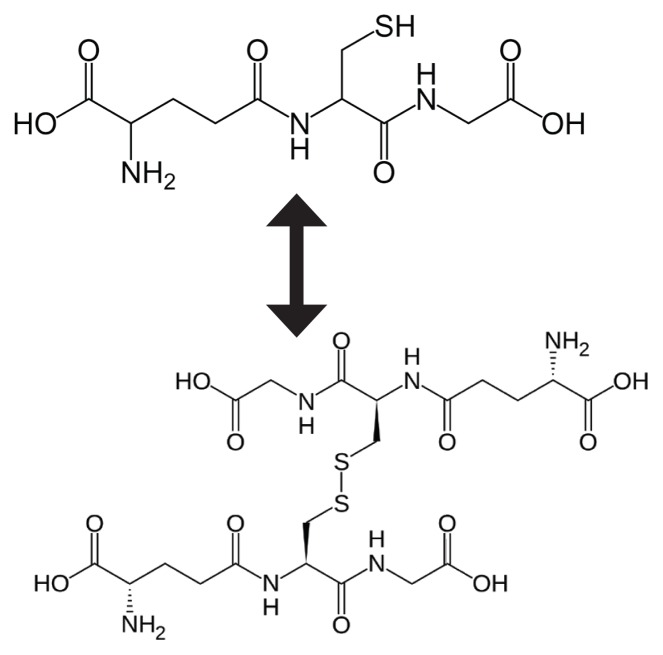 \n
\n What Research Suggests and What It Doesn\'t
\nWhen exploring the question, can people with Hashimoto\'s take glutathione with therapeutic intent, it is vital to separate laboratory data from clinical reality. In vitro (test tube) and animal studies show clear evidence that glutathione levels are inversely correlated with oxidative damage in thyroid tissue. When antioxidant levels are high, inflammatory destruction of thyroid cells slows down. However, human clinical trials specifically evaluating oral glutathione supplementation in Hashimoto\'s patients are limited and small in scale.
\n \nWhat the current science does confirm is that the standard, reduced oral glutathione molecule is incredibly fragile. When you swallow a standard capsule, the digestive enzymes in your stomach and small intestine break it down into its constituent amino acids before it ever reaches systemic circulation. Therefore, older studies that showed zero benefit from oral supplementation were entirely accurate because the active ingredient never reached the cells intact.
\n \nModern supplement science relies on alternative delivery methods—such as wrapping the molecule in a phospholipid bilayer (liposomal) or modifying the structure (S-acetyl-glutathione) to bypass regular digestive breakdown. While these delivery methods have shown an ability to raise systemic glutathione levels in human blood samples, there is no definitive, large-scale medical proof that they cure, reverse, or permanently halt autoimmune thyroiditis. Anyone telling you that it is a clinically proven cure for thyroid autoimmunity is misrepresenting the data. It is a supportive wellness tool focused on mitigating cell damage, not an absolute intervention.
\n\nIngredients, Formats, and Quality Signals
\nIf you choose to shop for this supplement, navigating the ingredient labels can be confusing. Because the supplement industry is not strictly regulated prior to products hitting shelves, the burden of verification falls entirely on you. You need to know exactly what forms to look for and what quality markers indicate a reputable manufacturer.
\n\nCommon Product Forms
\n- \n
- Liposomal Liquid or Softgels: The glutathione is encapsulated in tiny spherical vesicles made of phospholipids (usually derived from sunflower lecithin). This allows the molecule to pass through the stomach acid unharmed and absorb efficiently through the intestinal wall. \n
- S-Acetyl-L-Glutathione: An attached acetyl group protects the glutathione molecule from breakdown in the gastrointestinal tract. Once it crosses into the cells, the acetyl group is removed, leaving the functional antioxidant intact. This form is highly stable but usually comes with a premium price tag. \n
- Standard Reduced Glutathione (L-Glutathione): The most common form found in cheap capsules. Unless it uses an advanced, enteric-coated delivery system, its systemic absorption rate is incredibly low. \n
Quality Standards and Certifications
\nNever buy a supplement based on a slick social media ad. Look for transparent brands that explicitly showcase third-party testing seals from independent organizations such as the National Sanitation Foundation (NSF), U.S. Pharmacopeia (USP), or ConsumerLab. These organizations verify that what is written on the label matches what is inside the container, and ensure the product is free from heavy metals, mold, and industrial contaminants. Additionally, ensure the manufacturing facility complies with Current Good Manufacturing Practices (cGMP) mandated by the FDA.
\n\nComparison of Common Options
\nTo give you a clearer idea of how these different variations look in practice, the table below breaks down the common options available on the market today based on average retail pricing, absorption efficiency, and optimal use cases.
\n\n| Format | \nTypical Dose/Use | \nPros | \nCons | \nCost (Per Month) | \nBest For | \n
|---|---|---|---|---|---|
| Liposomal Liquid | \n250mg – 500mg daily on an empty stomach | \nHigh systemic bioavailability; rapid absorption via mucous membranes. | \nOften requires refrigeration; distinct, strong sulfur taste/smell. | \n$50 – $80 | \nIndividuals prioritizing max absorption who don\'t mind a strong taste. | \n
| S-Acetyl Glutathione Capsules | \n100mg – 300mg daily with water | \nExcellent cellular delivery; highly shelf-stable; travel-friendly capsule. | \nPremium pricing; lower milligram count per serving compared to liquids. | \n$60 – $90 | \nBusy professionals or students who want convenience without sacrificing efficacy. | \n
| Standard Reduced Oral Capsules | \n500mg – 1000mg daily | \nExtremely budget-friendly; widely available at standard grocery stores. | \nExtremely poor absorption; largely destroyed by digestive enzymes. | \n$15 – $30 | \nNot recommended for systemic autoimmune support due to low bioavailability. | \n
| Topical Glutathione Gels | \n1-2 pumps applied to thin skin areas daily | \nBypasses the digestive system completely; no sulfur taste. | \nCan leave a sticky residue; precise dosage delivery can be inconsistent. | \n$40 – $70 | \nPeople with highly sensitive digestive tracts or severe gut issues. | \n
| Acetylated Precursors (NAC + Glycine) | \n600mg – 1200mg of NAC daily | \nEncourages the body to produce its own glutathione naturally; highly cost-effective. | \nDoes not provide pre-formed glutathione; relies entirely on internal liver conversion. | \n$20 – $35 | \nBudget-conscious consumers looking for long-term baseline antioxidant support. | \n
Buying Framework and Red Flags
\nWhen you are spending your own hard-earned money, you want to avoid scams and low-tier formulations. Use this quick consumer checklist before checking out your online shopping cart or picking up a bottle at a local health store.
\n \nThe Smart Consumer Checklist
\n- \n
- [ ] Is the specific form of glutathione clearly identified (e.g., "Liposomal" or "S-Acetyl") rather than just listed as "Glutathione"? \n
- [ ] Does the label clearly mention a third-party testing organization (NSF, USP, Eurofins, or ConsumerLab)? \n
- [ ] If buying a liposomal liquid, are the phospholipids derived from non-GMO sunflower lecithin rather than cheap, highly processed soy options? \n
- [ ] Is the product free from unnecessary artificial colorings, sweeteners, titanium dioxide, or excessive binding agents? \n
- [ ] Is the expiration date clearly stamped, and does the manufacturer provide storage instructions (like keeping it refrigerated after opening)? \n
Red Flags to Watch Out For
\nBe highly suspicious of any brand that uses absolute language. If a product label or online description states that it is a "proven clinical cure for Hashimoto\'s," or guarantees that it will "eliminate your thyroid medication in 30 days," walk away. Furthermore, watch out for proprietary blends that bunch glutathione together with dozens of other herbs without listing the exact milligram count of the actual antioxidant. You have a right to know exactly what dosage you are putting into your body.
\n\n \n
\n Common Mistakes and How to Avoid Them
\nEven if you purchase a top-tier supplement, taking it incorrectly can render it useless or cause avoidable discomfort. Here are the three most frequent missteps young men make when starting out, and how you can avoid them.
\n\nMistake 1: Taking it simultaneously with thyroid medication. Levothyroxine and other thyroid hormone replacements are incredibly sensitive to interference. If you take glutathione—especially a liposomal liquid containing fats—alongside your morning thyroid pill, you risk impairing the absorption of your prescription medication. Always take your thyroid medication first thing in the morning on an empty stomach, and wait at least 30 to 60 minutes before introducing food, coffee, or other supplements.
\n \nMistake 2: Disregarding the natural sulfur odor. High-quality glutathione contains active sulfur bonds, which are precisely what give the molecule its powerful antioxidant properties. Because of this, authentic liposomal glutathione smells and tastes distinctly like sulfur or cooked eggs. Many consumers mistakenly assume their product has spoiled and throw it in the trash. Expect the smell; if a liquid glutathione product smells completely scentless or sweet without heavy natural flavorings, it might be heavily degraded or low-dose.
\n\nMistake 3: Pushing through significant, persistent digestive distress. While mild, transient adjustments in digestion can happen when altering your routine, experiencing severe cramping, nausea, or ongoing diarrhea is a sign that the specific formulation or filler blend does not align with your digestive system. Do not subscribe to the "no pain, no gain" mentality with supplements. If a product consistently makes you feel sick, discontinue it and speak with your healthcare practitioner.
\n\nFAQ
\n \nIs it proven that glutathione can reduce thyroid antibodies in autoimmune conditions?
\nNo, it is not definitively proven by large-scale, peer-reviewed clinical trials that glutathione permanently reduces thyroid antibodies. While small pilot studies and cellular models demonstrate that optimizing antioxidant levels protects thyroid tissue from oxidative damage, individual results vary widely. It should be viewed as a supportive tool for general cellular health rather than a targeted medical treatment to lower antibody counts.
\n\nHow long does it take to see results when taking glutathione for chronic fatigue?
\nIf you are using a highly bioavailable liposomal or acetylated format, initial subtle changes in morning alertness or muscle recovery after working out can take anywhere from two to four weeks of consistent, daily use. However, if no noticeable changes in your systemic energy levels occur after six toeight weeks, the supplement is likely not addressing the primary root cause of your fatigue, and continuing it may not be worth the ongoing expense.
\n\nAre there any hidden side effects of glutathione for young men with thyroid issues?
\nMost young men tolerate high-quality glutathione well, but potential side effects can include mild digestive upset, bloating, or abdominal cramping, particularly with standard oral capsule forms or products containing lower-grade fillers. Additionally, long-term, high-dose supplementation can occasionally impact your body’s natural zinc balance. It is always wise to keep dosages within the standard recommended range (250mg to 500mg daily) to minimize risks.
\n\nCan it combine with standard levothyroxine or other thyroid hormone replacements?
\nYes, you can use glutathione if you take thyroid hormone replacement, but they must not be taken at the exact same time. To prevent any negative interactions with how your body absorbs your medication, separate them completely. Take your prescription thyroid hormone first thing in the morning on an empty stomach, and wait at least one hour before consuming your glutathione supplement.
\n\nWhich option is better: oral vs injection/alternative delivery of glutathione for Hashimoto\'s?
\nWhen comparing oral vs injection/alternative delivery methods, standard oral capsules are the least effective due to poor survival through stomach acid. High-quality liposomal liquids and S-acetyl capsules provide excellent, non-invasive cellular absorption for daily home use. Intravenous (IV) injections deliver the antioxidant directly into the bloodstream with 100% bioavailability, but they are expensive, require clinic visits, and present risks of rapid processing and excretion by the kidneys, making them less practical for long-term, sustainable wellness routines.
\n\nA Practical 2-Week Experiment Framework
\nIf you have cleared it with your physician and want to see if this supplement actually makes a difference for your specific biology, avoid taking it indefinitely without tracking your metrics. Use this structured, objective two-week protocol to evaluate its true utility.
\n\nPhase 1: The Baseline (Days 1–3)
\nBefore you take your first dose, spend three days tracking your current status in a notebook or on your phone. Rate the following metrics on a simple scale of 1 to 10 (with 1 being terrible and 10 being excellent):
\n- \n
- Morning waking energy (How heavy does it feel to get out of bed?) \n
- Post-exercise recovery (Are you sore for 24 hours, or does it drag on for days?) \n
- Mental clarity and focus mid-afternoon \n
- Digestive comfort (Look out for bloating, regular bowel movements, or cramping) \n
Phase 2: The Introduction (Days 4–7)
\nIntroduce your chosen high-quality supplement (liposomal liquid or S-acetyl capsule) at a conservative, half-strength dose. If the bottle recommends 500 mg, start with 250 mg. Take it strictly on an empty stomach, separating it by at least 60 minutes from your morning thyroid medication. Monitor closely for any immediate negative reactions, such as acute stomach distress or unexpected headaches.
\n\nPhase 3: Full Serving Observation (Days 8–14)
\nIf your body tolerated the initial phase completely fine, increase to the full recommended daily serving size (e.g., 500 mg). Continue to track your daily ratings for energy, recovery, mental clarity, and digestion. By day 14, compare your numbers directly to your baseline from the first three days. If you see an upward trend in your scores without any negative digestive impacts, it may be a valuable component of your long-term wellness strategy. If your numbers are completely identical or you feel worse, you can confidently stop spending your money on it.
\n\nAbout the Author
\nEvan Brooks is a functional health researcher and health writer specializing in autoimmune management strategies for young adults. Having spent over five years evaluating dietary supplements, analyzing third-party lab reports, and translating complex endocrinology data into accessible consumer insights, Evan prioritizes practical transparency over marketing hype. He holds no financial ties to any specific supplement manufacturer, ensuring all product breakdowns remain completely objective, cautious, and evidence-focused.
\n \nDisclaimer: The information presented in this article is strictly for educational, informational, and consumer review purposes. It is not intended to serve as medical advice, nor is it meant to diagnose, treat, cure, or prevent any disease, including Hashimoto\'s thyroiditis or hypothyroidism. Do not alter your prescription medication dosages or add new dietary supplements to your routine without first consulting your endocrinologist or a qualified healthcare professional.
\n
Discussion